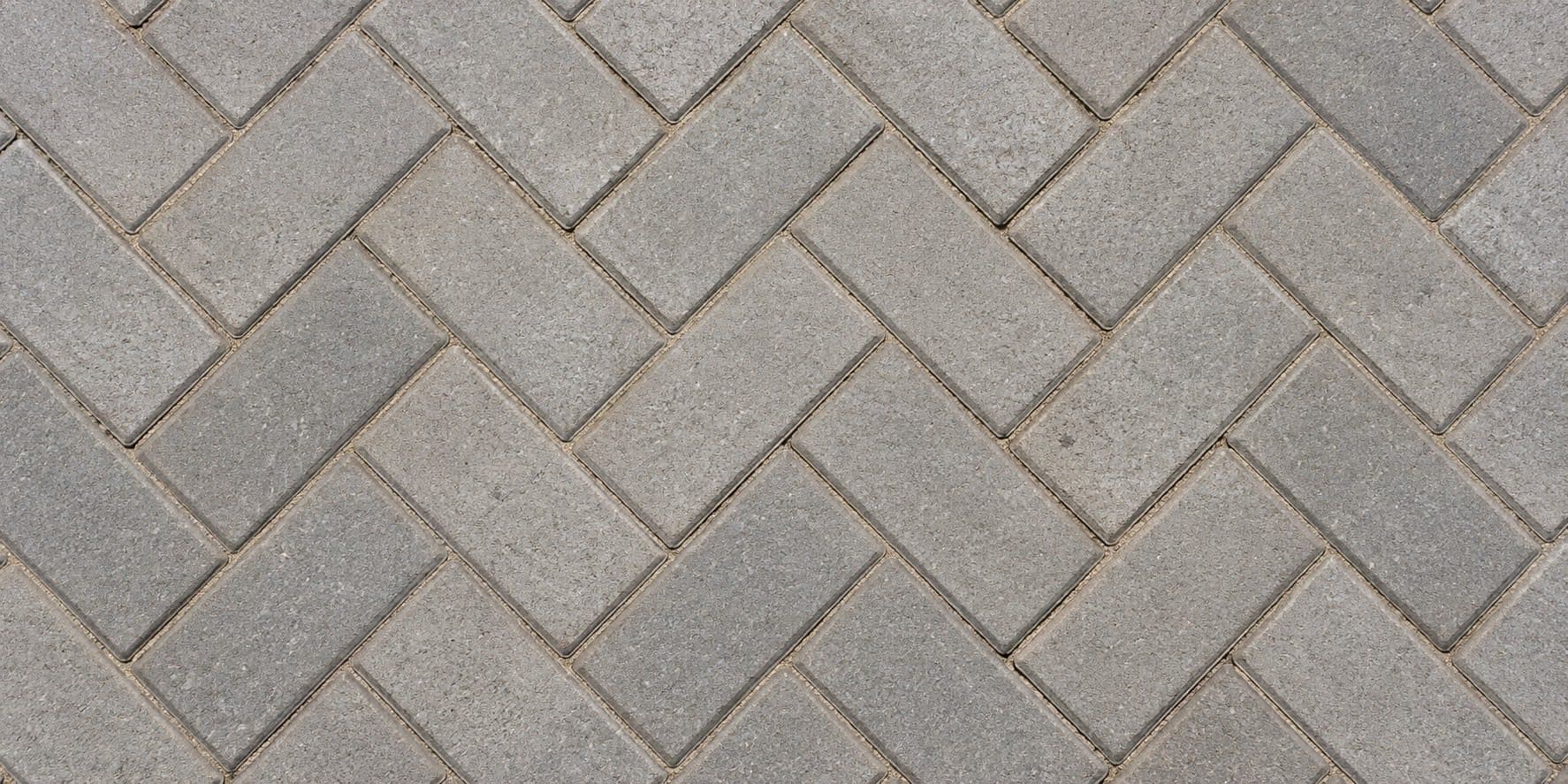
Block paving without a sealer does not stop working. It lies there, carries weight and looks much as it did - except that over time it takes in more water and gives up dirt less easily. Sealing is a decision about those two things, not about the life of the surface.
We say that up front because this trade usually starts with a promise. We make none: manufacturers describe limiting water uptake as the main use of this group of preparations, and that is a sentence we can stand behind. How effectively and for how long in your case depends on the substrate, the preparation and the weather - so the only figures we give are the ones in the data sheets.
What sealing actually changes
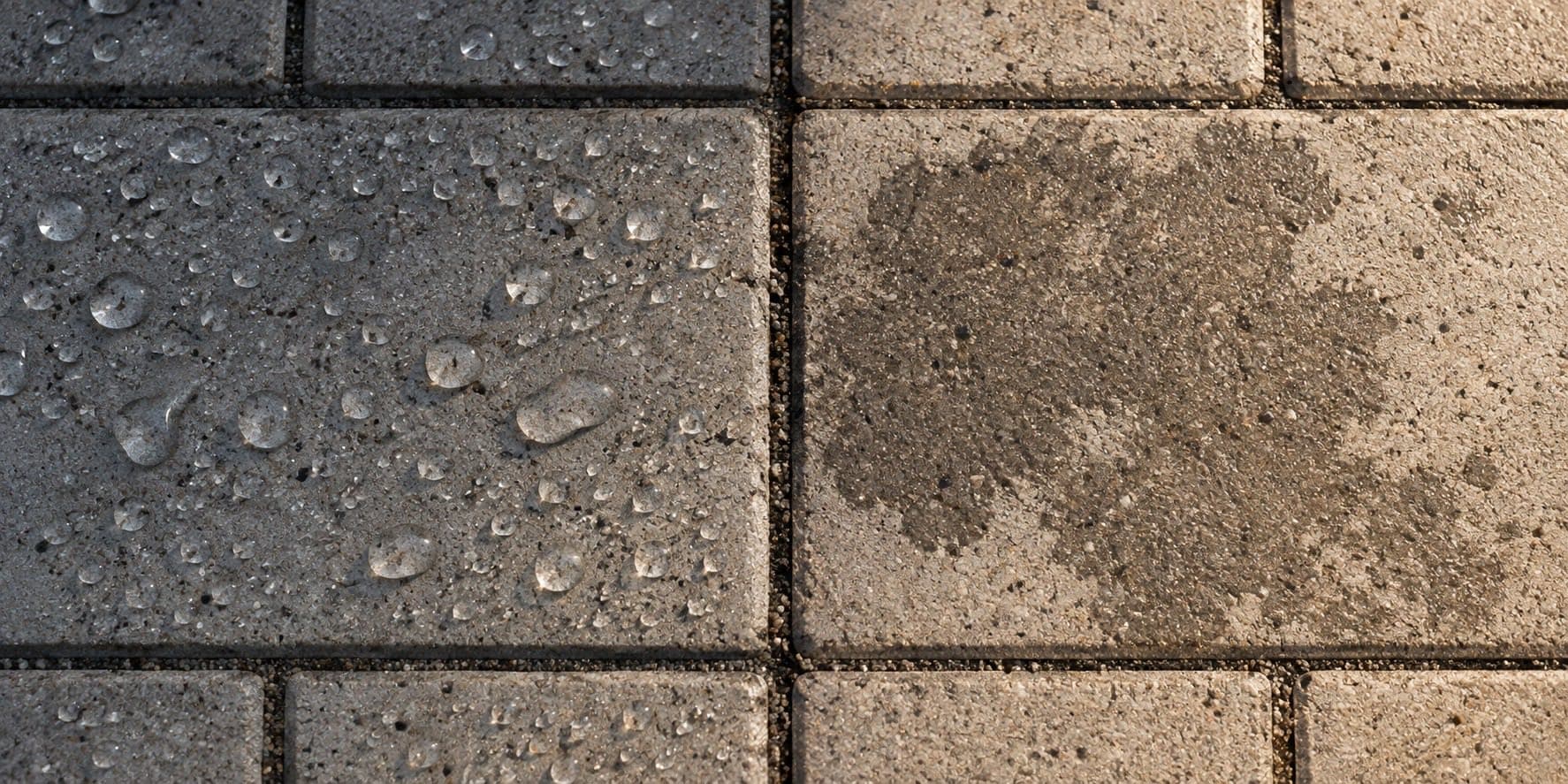
Lower water uptake.
This is the property manufacturers describe as the main use of this group.
Easier cleaning.
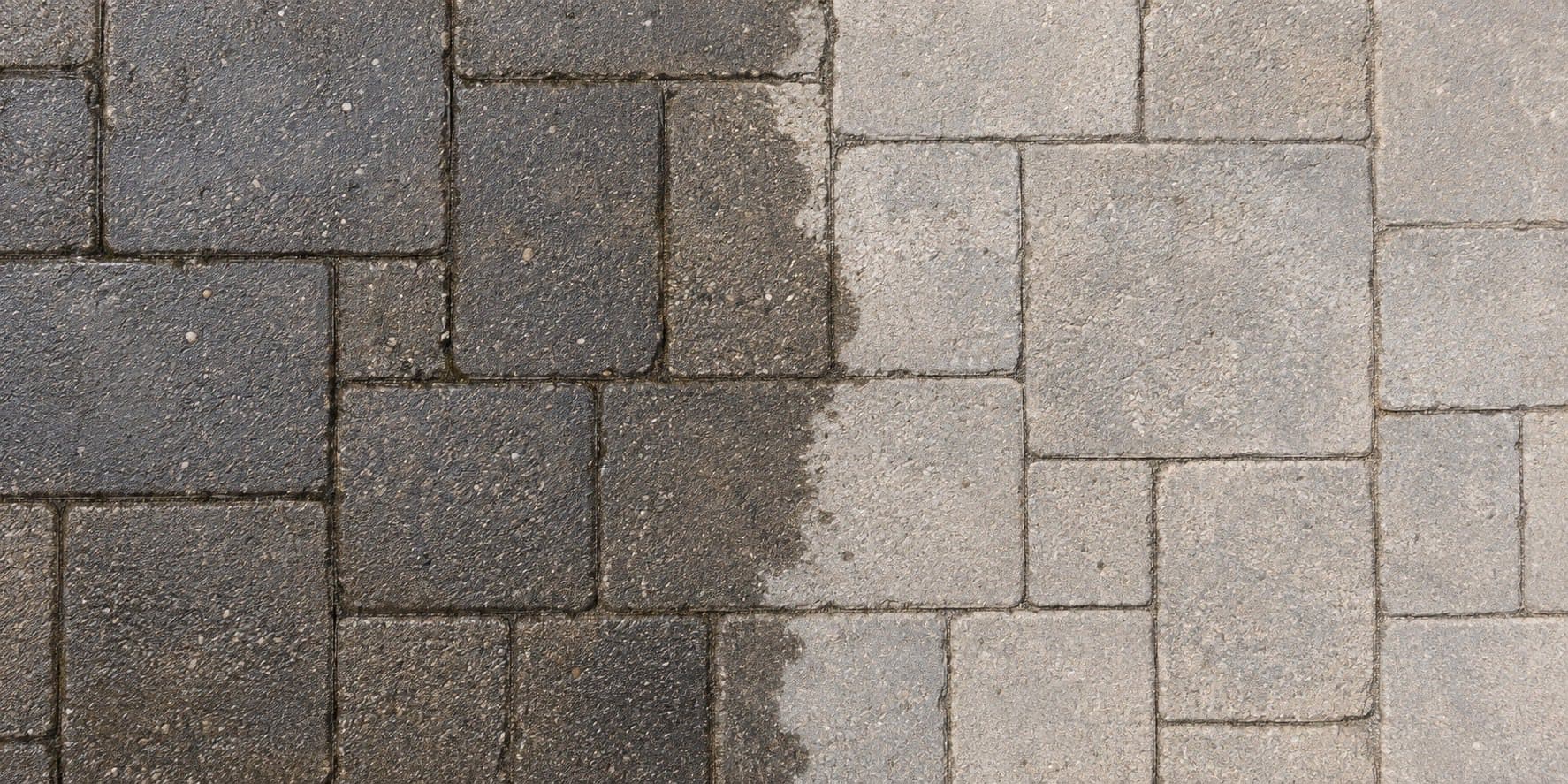
Soiling that has not soaked in deep comes off with less effort.
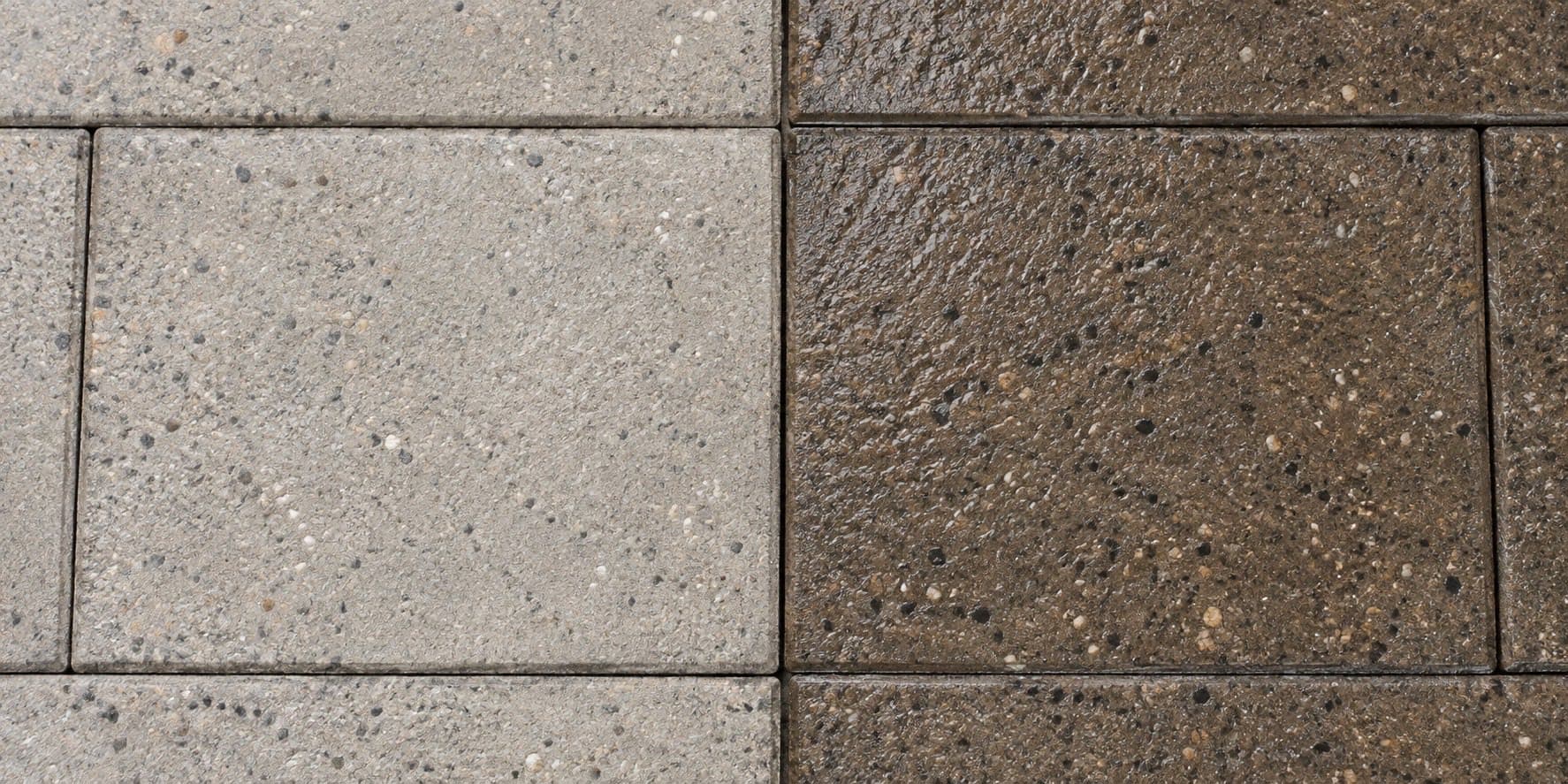
Appearance - if you choose a wet look.
The one change you see immediately, and the one you cannot undo.
It changes neither load-bearing nor geometry.
Sunken paving is a sub-base matter, not a chemical one.
When it is worth it, and when it is money wasted
| Situation | Does sealing make sense |
|---|---|
| New paving, cured and clean | A good moment - the substrate is in the best state it will be in |
| Paving with bloom or stains | Wash first; sealing fixes whatever it finds |
| Paving just laid | Wait - manufacturers state a curing period, sometimes 28 days |
| Paving that has sunk or spread | Chemistry will not help - that is the sub-base |
| A drive with an oil leak | Deal with the stains first, then consider sealing |
How to approach it in practice
If you are still weighing it up, start from the state of the surface rather than from a product. Clean, cured paving is the best moment. Paving with bloom or stains needs washing first, or you are paying to shut dirt in under a layer of preparation.
Once the substrate is ready, three decisions remain, and we have written each up separately: the finish, the base and the preparation. The whole sequence is in the guide to choosing a paving sealer.
Block paving sealers
The paving shelf - with price per litre and the coverage the manufacturer states.
- Premium
Solvent-based block paving sealer, wet look SK-2 CTS Chemistry
60,27 zł
54,12 zł/L≈ 7,22 zł/m²
- Standard
Oil stain remover for concrete and paving OL-1 CTS Chemistry
55,20 zł
55,20 zł/L
- Standard
Block paving sealer, wet look HK-2 CTS Chemistry
43,70 zł
36,00 zł/L
- Standard
Block paving sealer, invisible finish HK-1 CTS Chemistry
31,89 zł
25,80 zł/L
- Standard
Concrete patio slab sealer, wet look HBP-2 CTS Chemistry
50,29 zł
45,76 zł/L
- Standard
Concrete patio slab sealer, invisible finish HBP-1 CTS Chemistry
48,50 zł
38,60 zł/L
- Standard
Lime efflorescence remover D-2W CTS Chemistry
35,67 zł
30,50 zł/L≈ 7,63 zł/m²
- Standard
Post-construction residue cleaner D-2B CTS Chemistry
49,20 zł
40,59 zł/L≈ 10,15 zł/m²
Common questions
Does sealing extend the life of paving?
Paving itself wears mechanically and through what happens to the sub-base - and a sealer does not touch either. What it does affect is water uptake and how the surface behaves, and that is the part manufacturers test and describe in their sheets. Those figures are on every product page; a durability ranking of our own is not, because we have no measurements to build one from.
How often does sealing have to be repeated?
The conditions for renewing the layer are described by the manufacturer in the data sheet for their preparation. They differ between products, so there is no single figure that could be given here honestly.
Will a sealer stop moss growing?
Moss needs moisture, so a less absorbent surface is sometimes less hospitable to it - but that depends on sunlight, drainage and surroundings more than on any preparation. For removing green growth there are separate products, described by their manufacturers for that use, and it is their sheets that say what they do and under what conditions.
Is it worth sealing paving under a carport or in a garage?
Where rain does not reach, the water-uptake argument weakens, but the question of stains remains - oil, grease, tyre marks. Whether it pays off therefore depends more on what happens on that surface than on whether it has a roof over it.