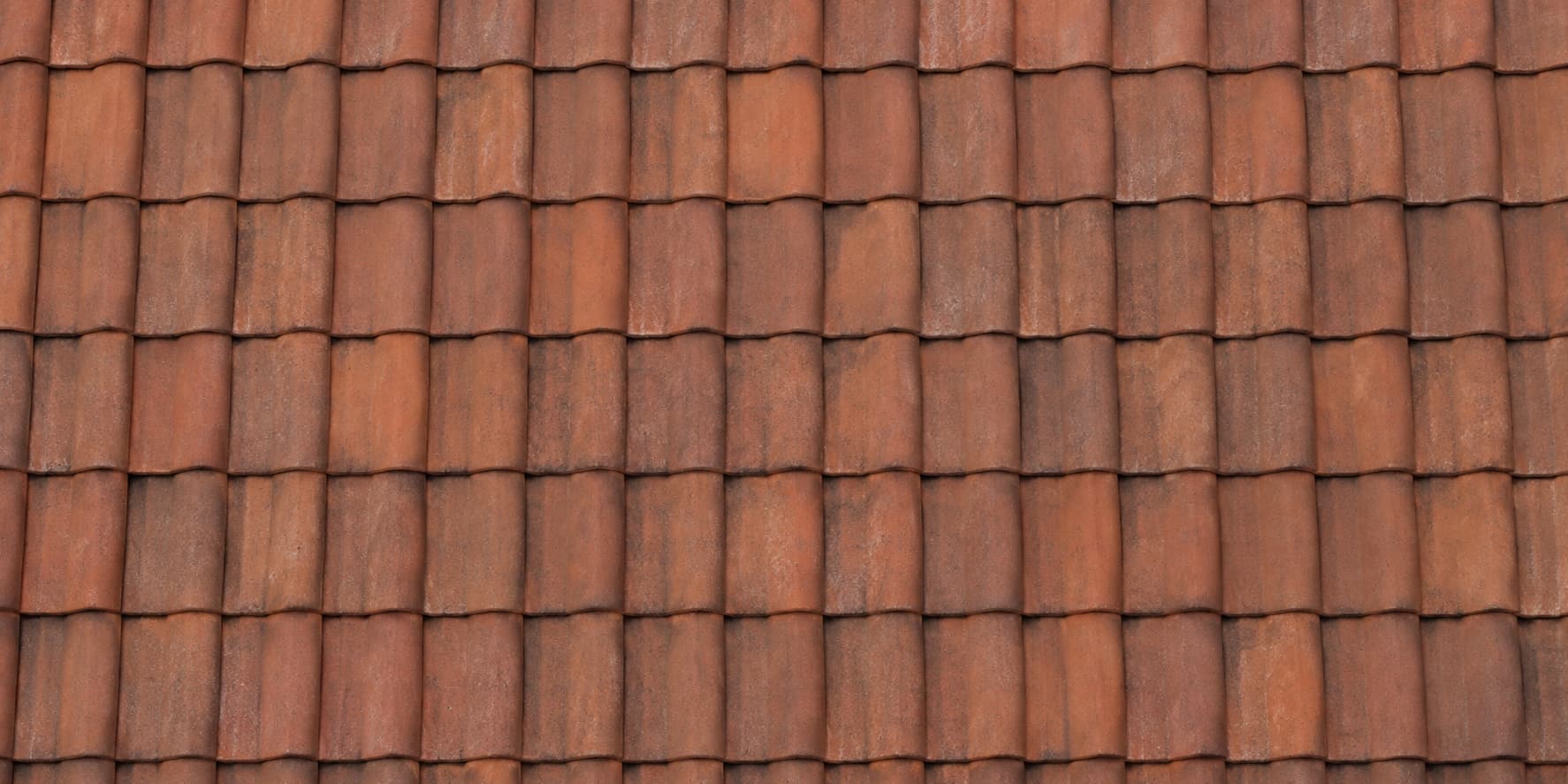
Sealing roof tiles limits how much water the roof takes up and makes it more resistant to dirt, and on concrete tiles it also reduces the risk of efflorescence. It is worth doing on a roof that is watertight and intact, and always after washing: you remove moss and algae with a cleaner, rinse, wait for the roof to dry, and only then reach for the sealer.
This guide is about roof tiles alone - clay and concrete. If you are choosing a product for a wall and a roof at the same time, start with the broader overview in our guide to facade and roof sealers. Here you will find the order of work on a roof, how the two kinds of tile differ, and the things a sealer will not fix.
In short
Wash first, seal second.
A sealer applied over moss and algae locks them in under the layer.
On a roof, vapour permeability matters.
Choose a penetrating sealer that forms no coating - the roof has to be able to give up moisture.
Concrete and unglazed clay absorb the most.
Glazed or engobed tiles have a closed surface, so test yours with a drop of water.
A sealer does not repair a roof.
Replace cracked tiles and have a roofer deal with leaks before you reach for any product.
Is it worth sealing roof tiles?
There is no obligation, and whether it pays off depends on the state of the roof and how much it gets overgrown. A roof tile sealer penetrates the material and limits water uptake. A roof that absorbs less dries faster after rain, is easier to clean and picks up dirt more slowly. Moss and algae need moisture, so a dry tile is a less welcoming place for them. A sealer will not change the conditions, though: a north-facing slope in shade dries slowly and growth will keep coming back to it, just less often.
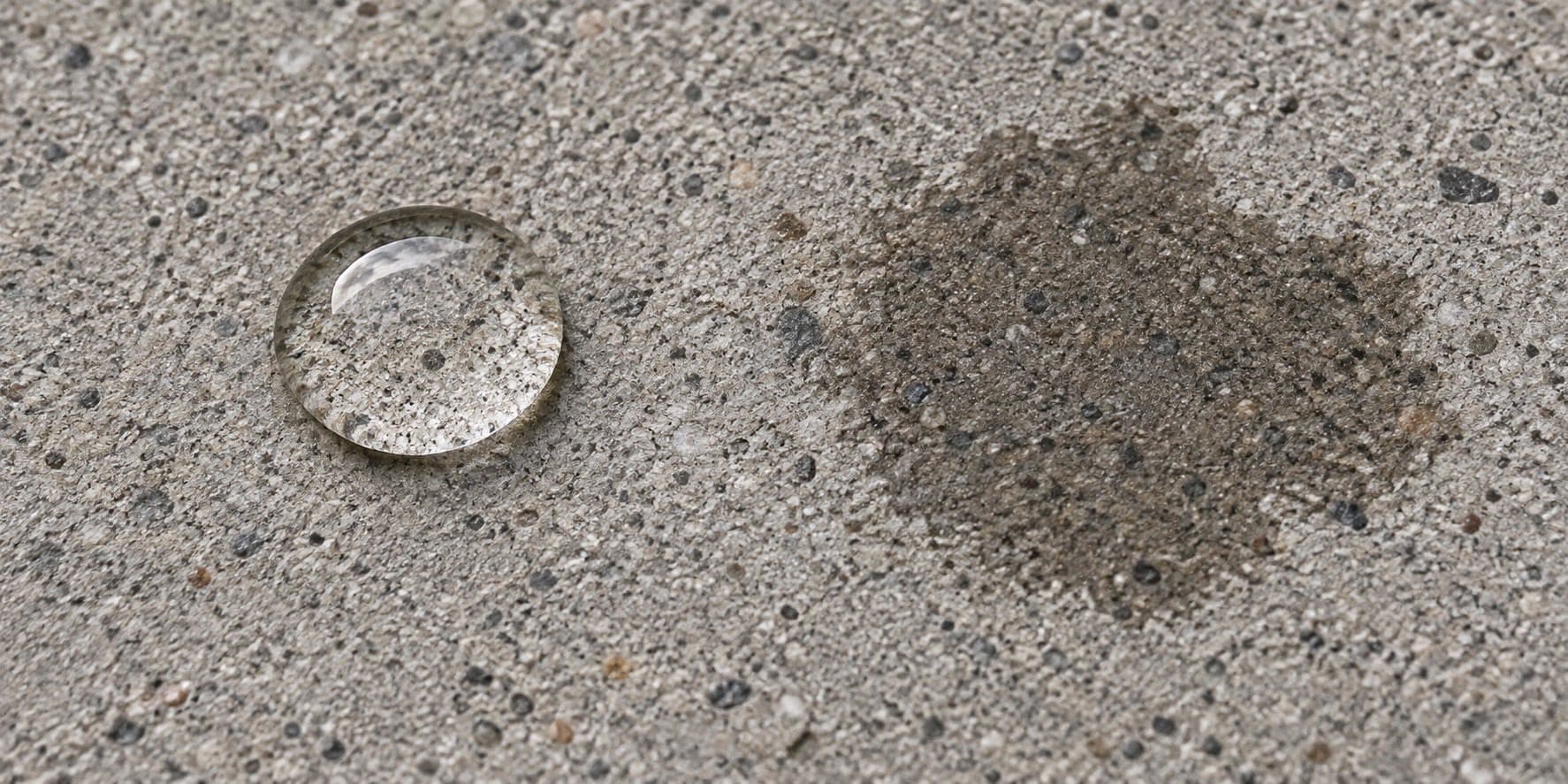
You gain the most on a sound roof that darkens after rain and gathers green growth. You can check the protection by watching the water: as long as droplets bead on the surface, the layer is working. Once water soaks in and the tiles stay dark for a long time, it is time to seal again.
Clay tiles and concrete tiles
A concrete roof tile is concrete: absorbent and containing lime, which water can carry to the surface as a white bloom. Here a sealer limits both water uptake and the risk of efflorescence. A clay tile is fired clay. Unglazed, it absorbs water much like concrete does, while a glazed or engobed tile has a surface closed at the factory and will take noticeably less product. A drop of water tells you which one you have: if it soaks in, the tile will benefit from sealing.
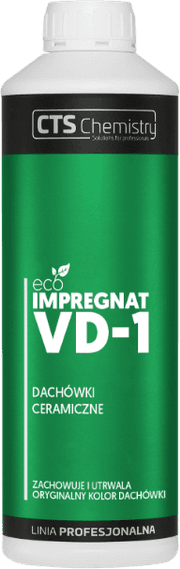
One product covers both. The VD-1 roof tile sealer is made for clay and concrete tiles. It is a water-based water repellent that penetrates the material instead of forming a coating, has a water vapour diffusion resistance of Sd = 0.0 m and leaves the look of the tile unchanged. What a water base means in practice is explained in our guide water-based or solvent-based sealer.
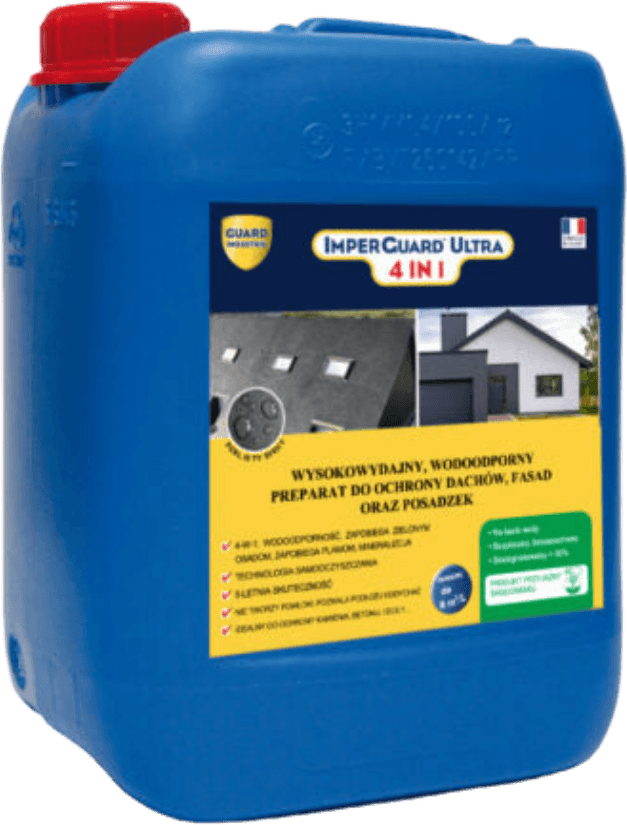
If the same product should also cover the facade and the paving, go for ImperGuard Ultra 4 in 1: it makes roofs, render, brick, terracotta, slate and concrete water-repellent, and one litre covers about 8 m². A shingle roof is a different job - bitumen coverings take the EI-25 renovator. You will find every product for roofs and walls in the Facades and roofs category.
Cleaning moss off roof tiles before sealing
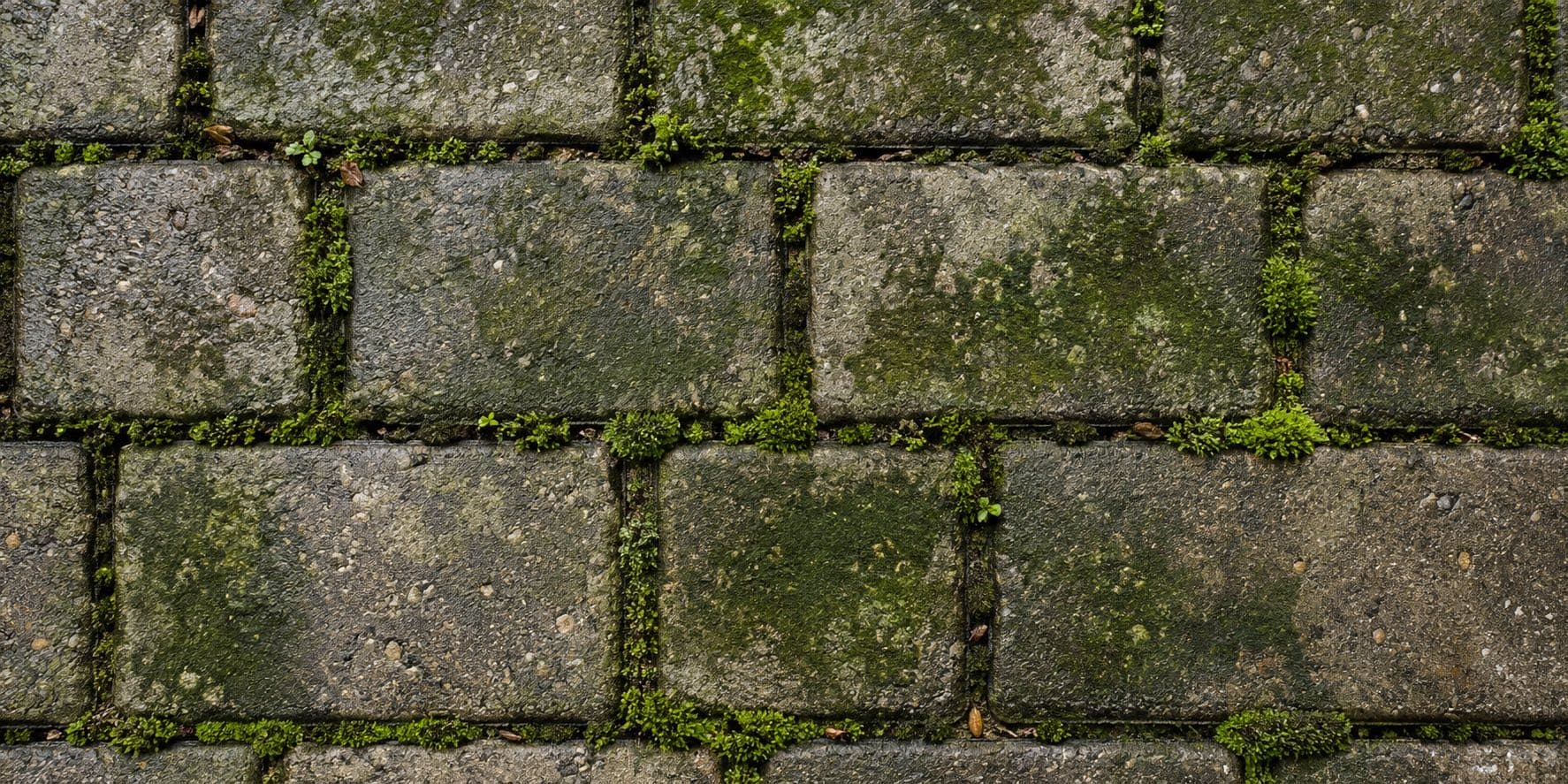
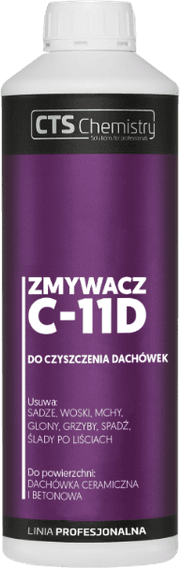
A shaded slope almost always carries algae or moss, and a sealer applied over them will lock them in. For washing, use the C-11D roof tile cleaner - an alkaline concentrate made only for clay and concrete tiles. It removes algae and moss growth, soot, grease, honeydew and leaf marks.
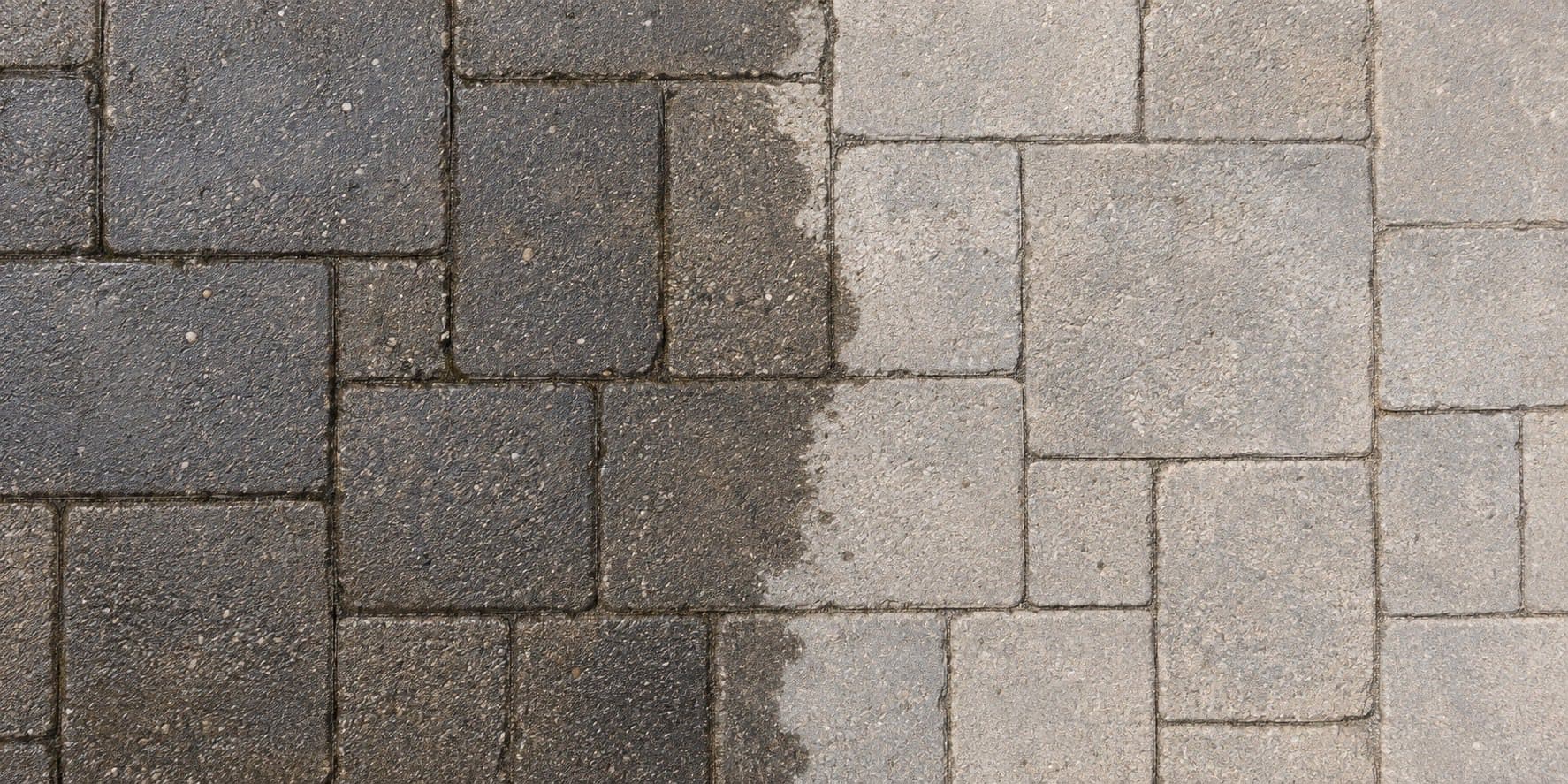
You dilute it to match the soiling: 30-50 ml per litre of water for light growth, 80-100 ml/l for moderate and 200-300 ml/l for heavy. Apply it with a hand sprayer, foam sprayer, brush or mop, leave it for 15-20 minutes and rinse with clean water. Apply and scrub the product by hand and use pressure only for rinsing - never aim the jet up under the tile overlaps, or you will drive water beneath the roof covering. Wash on a cool surface, in the morning or evening, never in full sun.
Moss rooted in joints or in damaged spots on a tile should come off mechanically before washing. Where green growth comes from and how to slow its return is covered in our guide to moss and green growth, and the products are gathered on the moss and algae page.
How to apply a sealer to roof tiles
You seal a roof that has been washed, rinsed and has dried out completely, because water in the pores takes the place of the product. The full checklist is in our guide to preparing the substrate before sealing. VD-1 is ready to use, so you do not dilute it. Apply it with a soft roller, a brush or by spraying, in one generous, evenly spread coat, until the tile is saturated.
Plan the job for settled weather: protect the freshly sealed surface from rain and direct sun, because it becomes rain-resistant after 5-6 hours. How much you use depends on how absorbent the tiles are. Seal one square metre first, measure what went on, and multiply by the roof area with a small margin. How to get from a test square metre to the number of containers is shown in our guide how much sealer do I need.
Safety, and what sealing will not fix
Working on a roof is a risk in its own right. Wet, overgrown tiles are slippery, so use fall protection, keep off a wet slope, and wear gloves and safety glasses. On a steep roof, leave the washing and sealing to a roofer or a firm with the right equipment. Cover plants below the eaves and rinse them with water when you finish.
A sealer protects a sound roof, but it does not repair one. It will not hold together a cracked, crumbling or slipped tile - that tile has to be replaced. Nor will it stop a leak: failing flashings, valleys and ridge tiles need a roofer before any sealing. And it will not bring back the colour of a faded tile, because VD-1 is colourless and leaves the look of the roof unchanged. On an old, cracked roof, chemistry is no substitute for replacement.
The state of the roof and what to do next
| What you see | What to do | With what |
|---|---|---|
| Green growth and moss on a shaded slope | Wash, rinse, let dry, then seal | C-11D, then VD-1 |
| Moss rooted in joints and damaged spots | Remove mechanically before washing | Scraper or brush, then C-11D |
| Tiles darken after rain and dry slowly | Wash and seal | VD-1 or ImperGuard Ultra 4 in 1 |
| Cracked, crumbling or missing tile | Replace before washing and sealing | Roofing repair |
| Leak into the loft | Repair the covering and flashings | Roofing repair - a sealer does not seal leaks |
| Bitumen shingles instead of tiles | Renovate with a product for bitumen | EI-25 |
For washing and sealing a roof
A roof tile cleaner, sealers for clay and concrete tiles, and a renovator for bitumen shingles.
 Standard
Clay and concrete roof tile sealer VD-1 CTS Chemistry
45,51 zł
39,36 zł/L
 Standard
Roof tile cleaner C-11D CTS Chemistry
33,21 zł
24,35 zł/L
 Standard
Colour restorer for felt shingles and bituminous roofs EI-25 EKSIL
195,57 zł
29,95 zł/L
 Entry
EntryWater-repellent sealer for facades, roofs and paving - ImperGuard Ultra 4 in 1
269,00 zł
53,80 zł/L≈ 6,73 zł/m²
Common questions
Do roof tiles have to be sealed?
There is no obligation. Sealing limits water uptake and makes the roof more resistant to dirt, and on concrete tiles it reduces the risk of efflorescence. It does the most on a sound roof that darkens after rain and gathers green growth.
Will one sealer work on both clay and concrete tiles?
Yes. VD-1 is made for both kinds of tile. On glazed or engobed tiles, test a small area first, because a closed surface takes less product.
Can I wash a roof with a pressure washer?
Apply and scrub the C-11D cleaner by hand and use pressure only for rinsing. Never aim the jet up under the tile overlaps - you will drive water beneath the covering and can damage the tile surface.
How soon after washing can I seal the roof?
Once the roof is completely dry. Pick a day with no rain in the forecast: VD-1 becomes rain-resistant after 5-6 hours.
How much sealer does a roof need?
It depends on how absorbent the tiles are, because VD-1 is applied until the tile is saturated. Seal one square metre, measure what you used and multiply by the roof area with a small margin. With ImperGuard Ultra 4 in 1, one litre covers about 8 m².