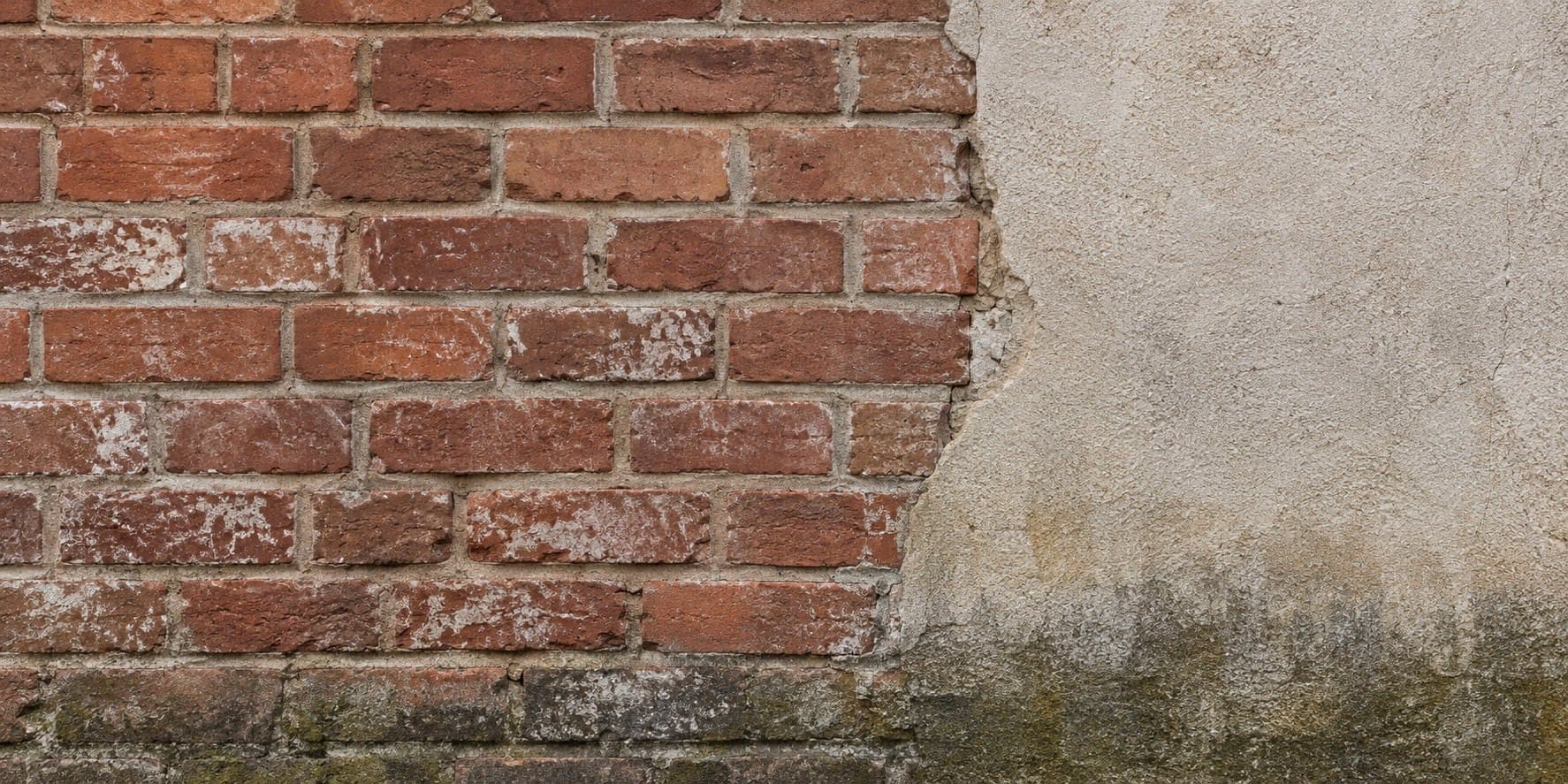
A facade differs from a horizontal surface in one way that changes everything: masonry has to give up moisture. Water reaches a wall not only from rain but from inside the building, and it has to have a way out. A preparation that seals the wall tight will trap moisture inside the masonry.
Which is why manufacturers declare vapour permeability separately for facade products, and it is the first thing to look for in the sheet. The catalogue keeps them under a filter of their own - 21 of them.
In short
Vapour permeability is a condition, not an extra.
A sealed skin on a wall traps moisture in the masonry.
The substrate decides the product.
Brick, mineral render, stone and roof tile behave differently.
A roof is its own matter.
Clay and concrete roof tiles have their own products.
Wash before, not after.
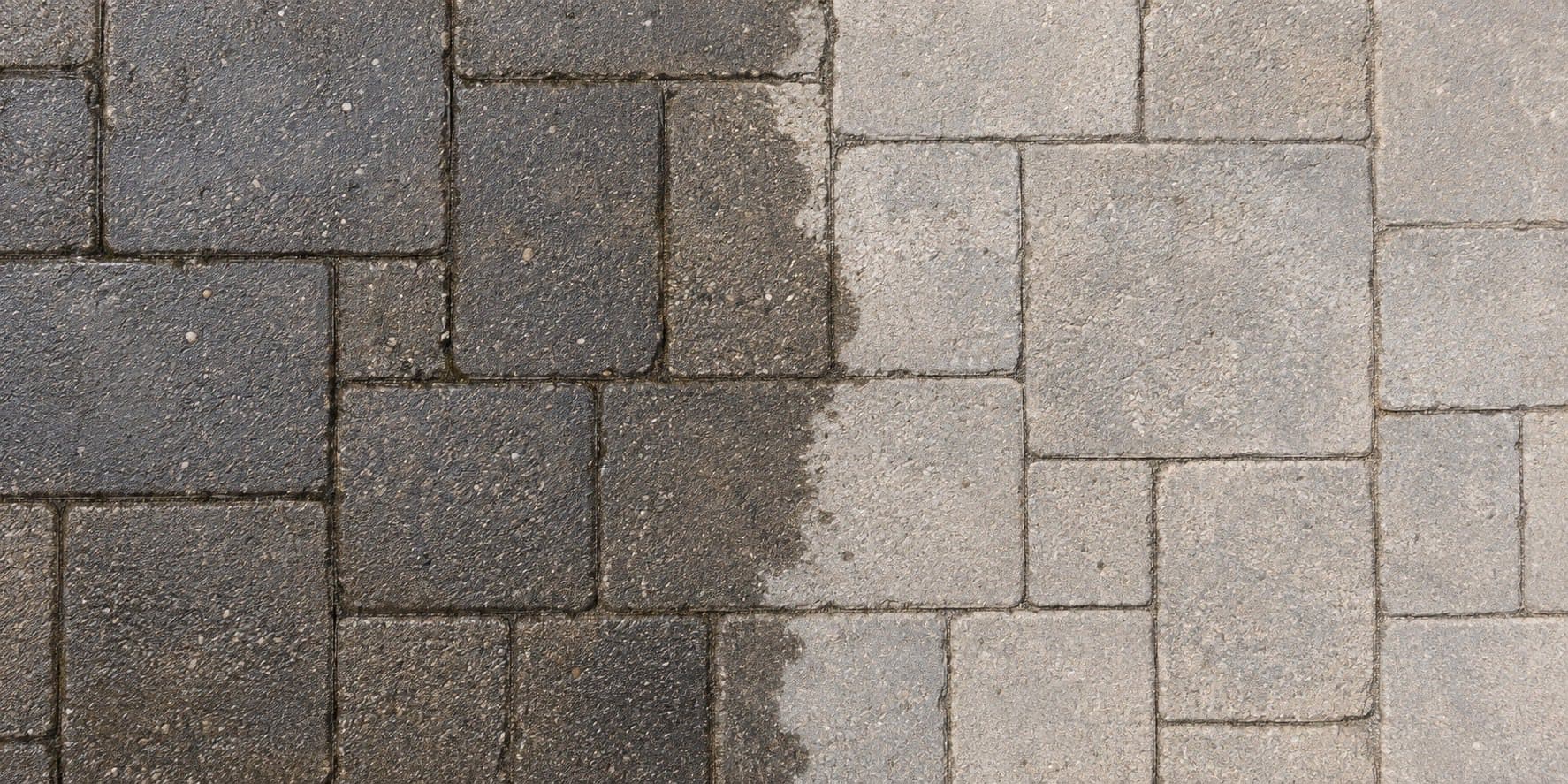
A facade usually carries algae and runs - a sealer fixes them in place.
Four substrates, four conversations
Brick and engineering brick - CTS Chemistry runs VC-1, and Eksil the water- and oil-repellent EH-20. Brick is absorbent and usually drinks noticeably more than concrete.
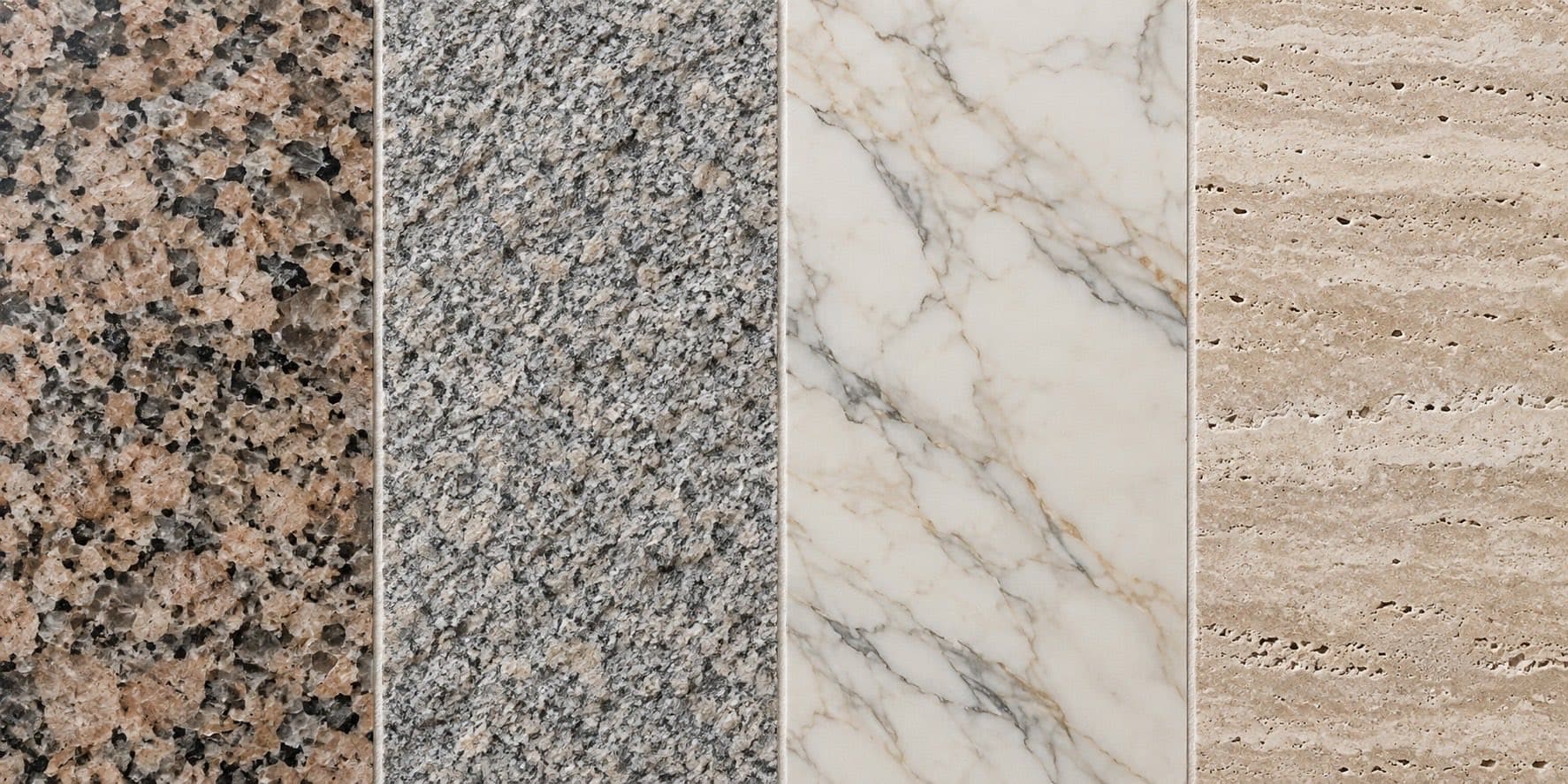
Stone on a wall - see the separate natural stone guide; the surface working matters as much as the stone there. Roof tiles - VD-1 for clay and concrete. Several substrates at once - Guard Industry describes ImperGuard Ultra as a preparation for facades, roofs and paving alike.
A facade against a horizontal surface
| Criterion | Facade | Drive, terrace |
|---|---|---|
| Vapour permeability | A necessary condition | Rarely decisive |
| Main adversary | Driving rain, algae, runs | Standing water, oil, frost |
| Visual finish | Usually invisible - a wall should look like a wall | Invisible or wet look, your choice |
| Access to the work | Scaffolding, working at height | From ground level |
Deepening colour on a facade
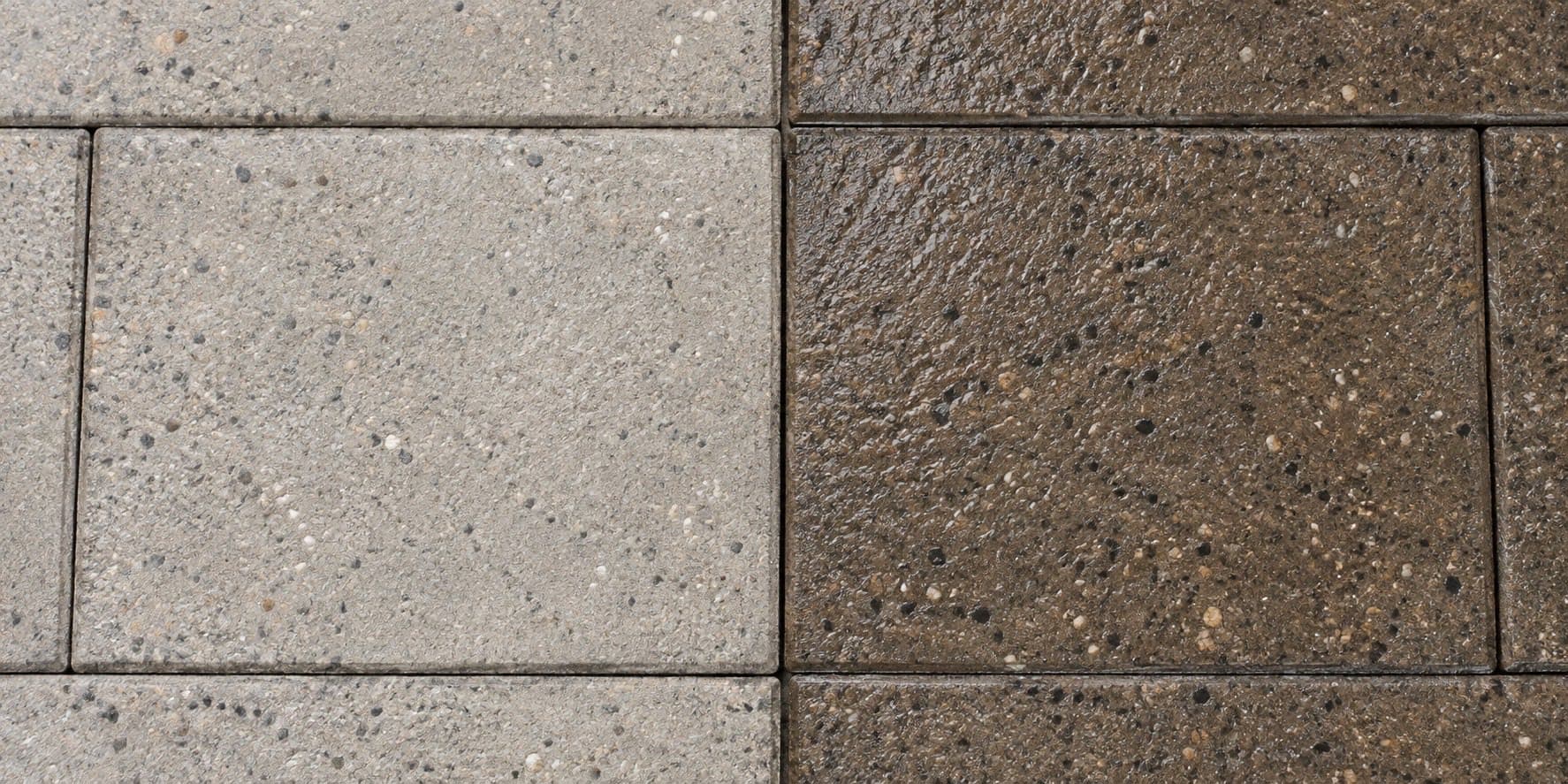
A wet look is sometimes wanted on a wall - particularly on facing stone and brick, where it brings out the pattern of the material. Eksil runs the silane-based EH-16 in that role.
The same rule applies as everywhere else: the effect cannot be undone, and on a wall facing the street a test patch is all the more advisable. Details in the guide to the finish.
Facades and roofs
The facade shelf - each product with its manufacturer's technical data.
- Standard
Sandstone wall and facade sealer VP-1 CTS Chemistry
45,40 zł
36,18 zł/L
- Standard
Clay and concrete roof tile sealer VD-1 CTS Chemistry
45,51 zł
39,36 zł/L
- Standard
Brick and engineering brick sealer VC-1 CTS Chemistry
42,50 zł
33,90 zł/L
- Standard
Split-face concrete block sealer VBe-1 CTS Chemistry
42,71 zł
30,00 zł/L≈ 3,75 zł/m²
- Standard
Concrete wall sealer, wet look VB-2 CTS Chemistry
45,01 zł
35,90 zł/L
- Standard
Concrete wall sealer, invisible finish VB-1 CTS Chemistry
31,89 zł
25,80 zł/L
- Standard
Sandstone sealer, invisible finish HP-1 CTS Chemistry
42,80 zł
33,94 zł/L
- Standard
Lime efflorescence remover D-2W CTS Chemistry
35,67 zł
30,50 zł/L≈ 7,63 zł/m²
Common questions
Will a facade sealer trap moisture in the masonry?
That depends on whether the manufacturer declared vapour permeability. It is a property stated in the data sheet, and we also tag it on every product in the catalogue so it can be filtered. Where the sheet is silent about it, do not assume the preparation has it.
Can fresh render be sealed?
Not straight away - render cures too. The manufacturer states the time in the data sheet, the same as for concrete.
Do roof tiles have to be sealed?
There is no obligation. Manufacturers describe roof tile preparations as limiting water uptake; whether it pays off depends on the state of the covering and how much it gets overgrown. On an old, cracked roof, chemistry is no substitute for replacement.
Will one preparation handle both a facade and a roof?
Some manufacturers say so - Guard Industry describes ImperGuard Ultra as a preparation for facades, roofs and paving. Always check the scope of use in the sheet for that specific preparation.