Concrete is the largest category in our catalogue - 42 products - and for good reason: one material name covers very different situations. A garage floor takes oil and road salt off tyres, a concrete slab terrace takes water and frost, and an architectural concrete wall takes almost nothing, but shows every run.
So the first question is not "which sealer for concrete" but "what does this concrete have to put up with".
Three situations, three approaches
A working floor - garage, workshop, unit.
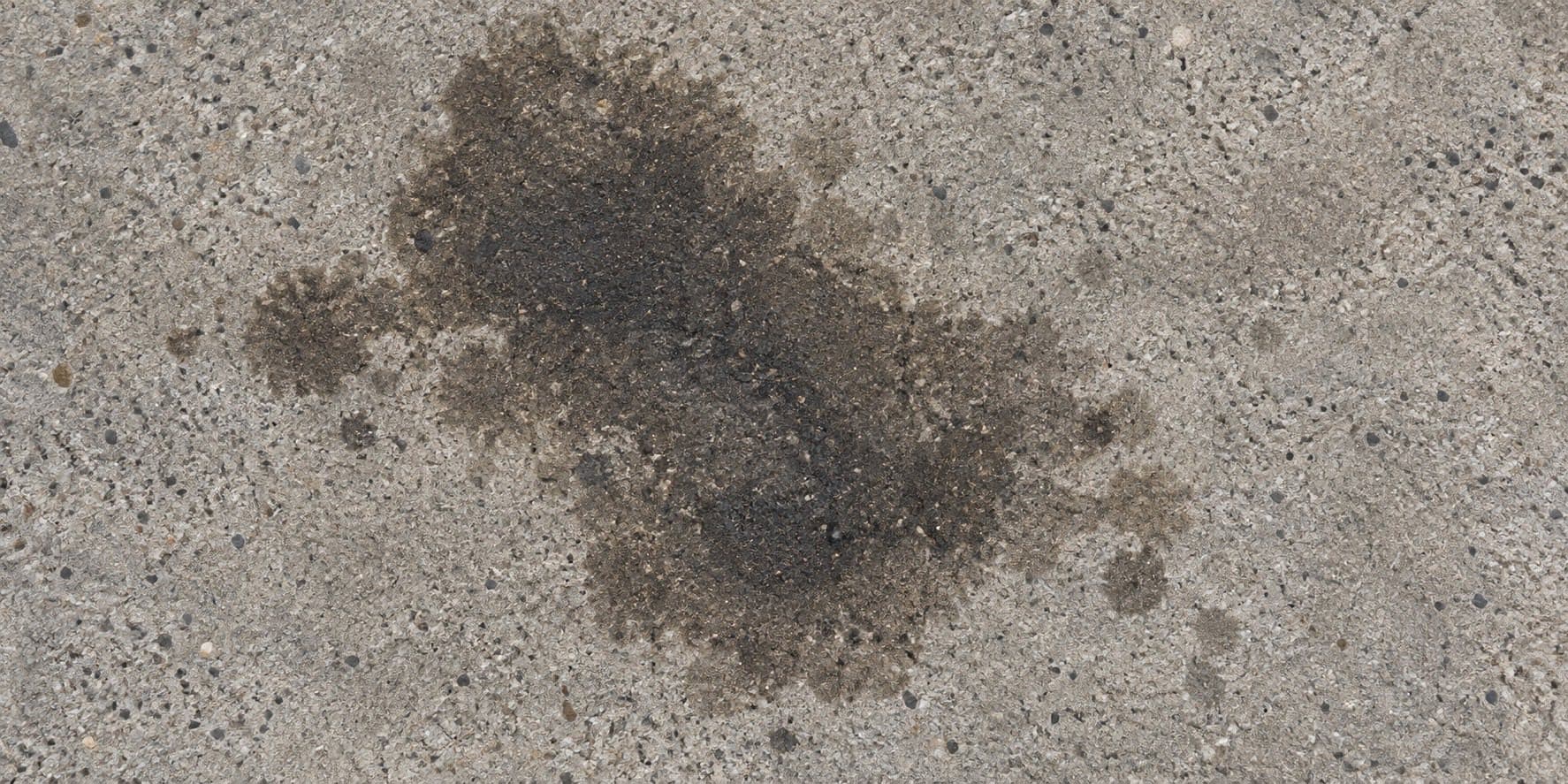
Grease and traffic. Manufacturers describe oleophobic and solvent-based preparations here.
An outdoor surface - terrace, drive, slabs.
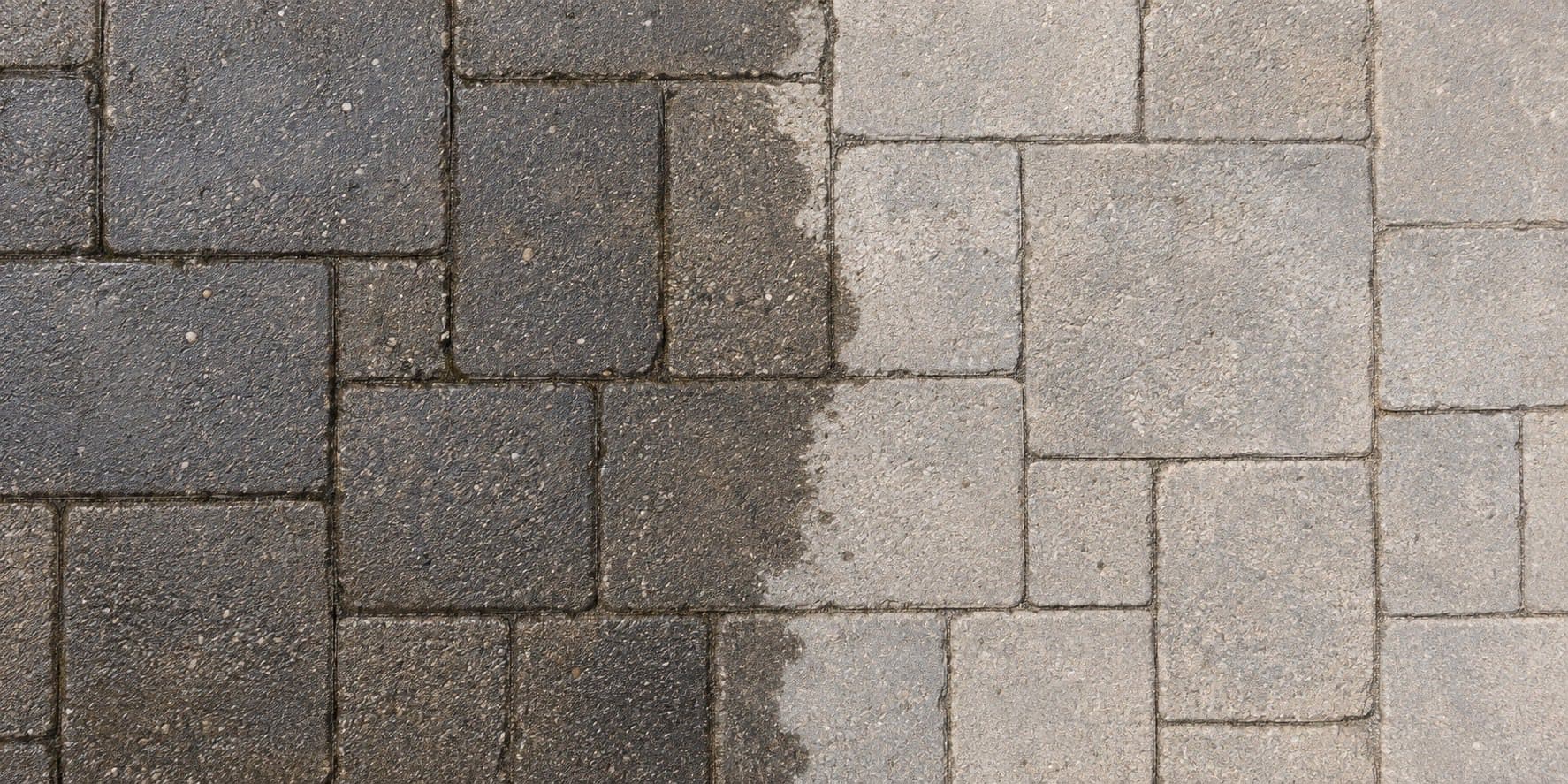
Water and frost. The choice of finish matters, because you see it.
A wall or architectural element.
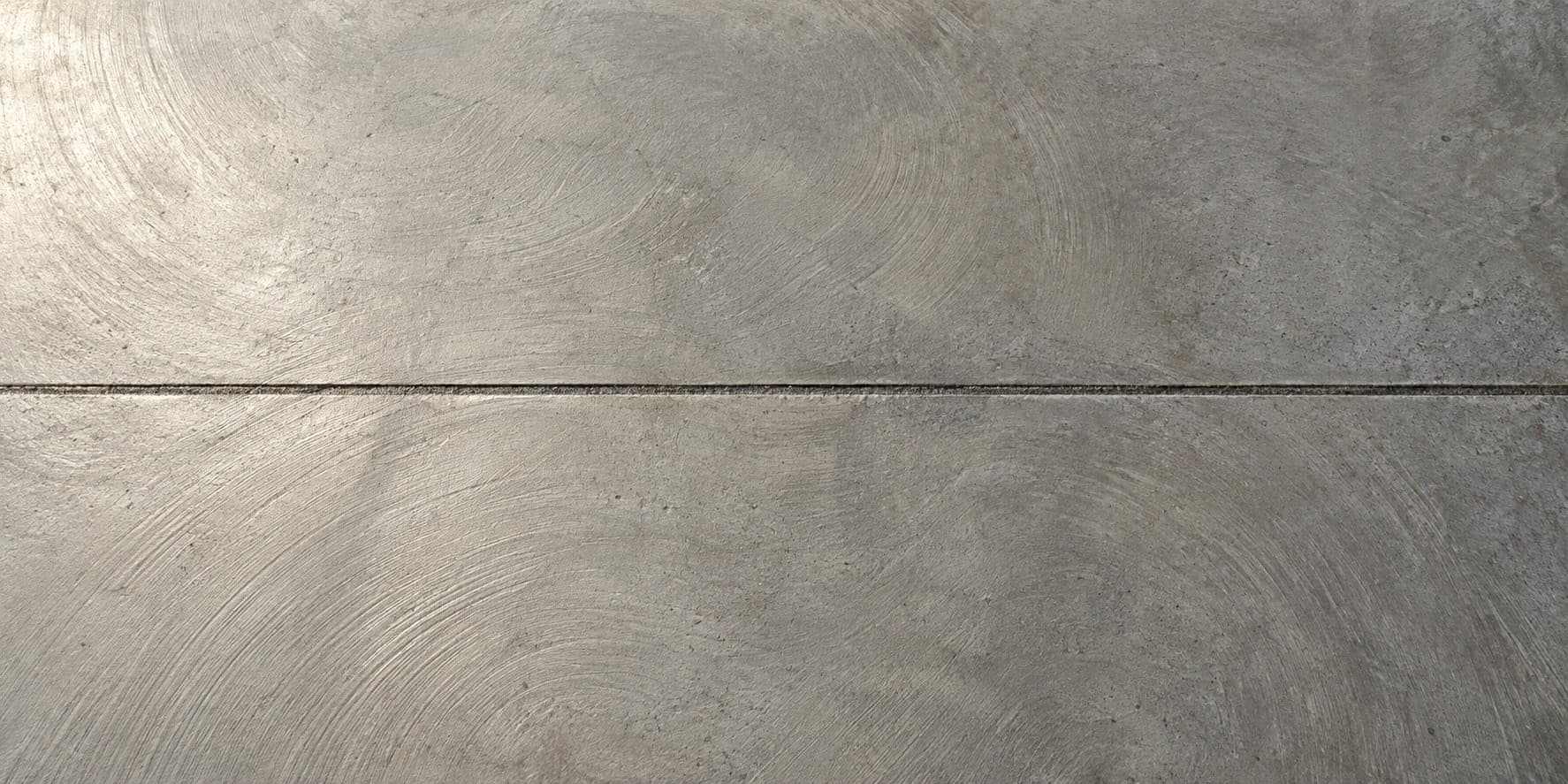
Runs and appearance. Vapour permeability counts here, because a wall has to give up moisture.
Floors: what sets a garage apart
In a garage the adversary is grease, not water. Manufacturers describe some preparations as oleophobic, and the catalogue keeps them under a filter of their own. For floors, Eksil runs the solvent-based EH-18.
The second condition, easy to forget: ventilation. A garage is an enclosed space, and for solvent-based preparations the manufacturer states airflow requirements in the data sheet. Where ventilation is hard, a water-based product is often a more sensible choice than fighting the conditions.
Where to look, by place
| Place | What dominates | What to look for in the sheet |
|---|---|---|
| Garage, workshop | Oil, grease, road salt | Oleophobicity, ventilation requirements |
| Concrete slab terrace | Water, frost, algae | Water repellency, finish, substrate curing |
| Driveway | Water, oil, traffic | Water and oil repellency together |
| Concrete wall, facade | Runs, appearance | Vapour permeability |
| Industrial floor | Traffic, chemical cleaning | Resistance to cleaning agents |
Slab terraces: the same as paving
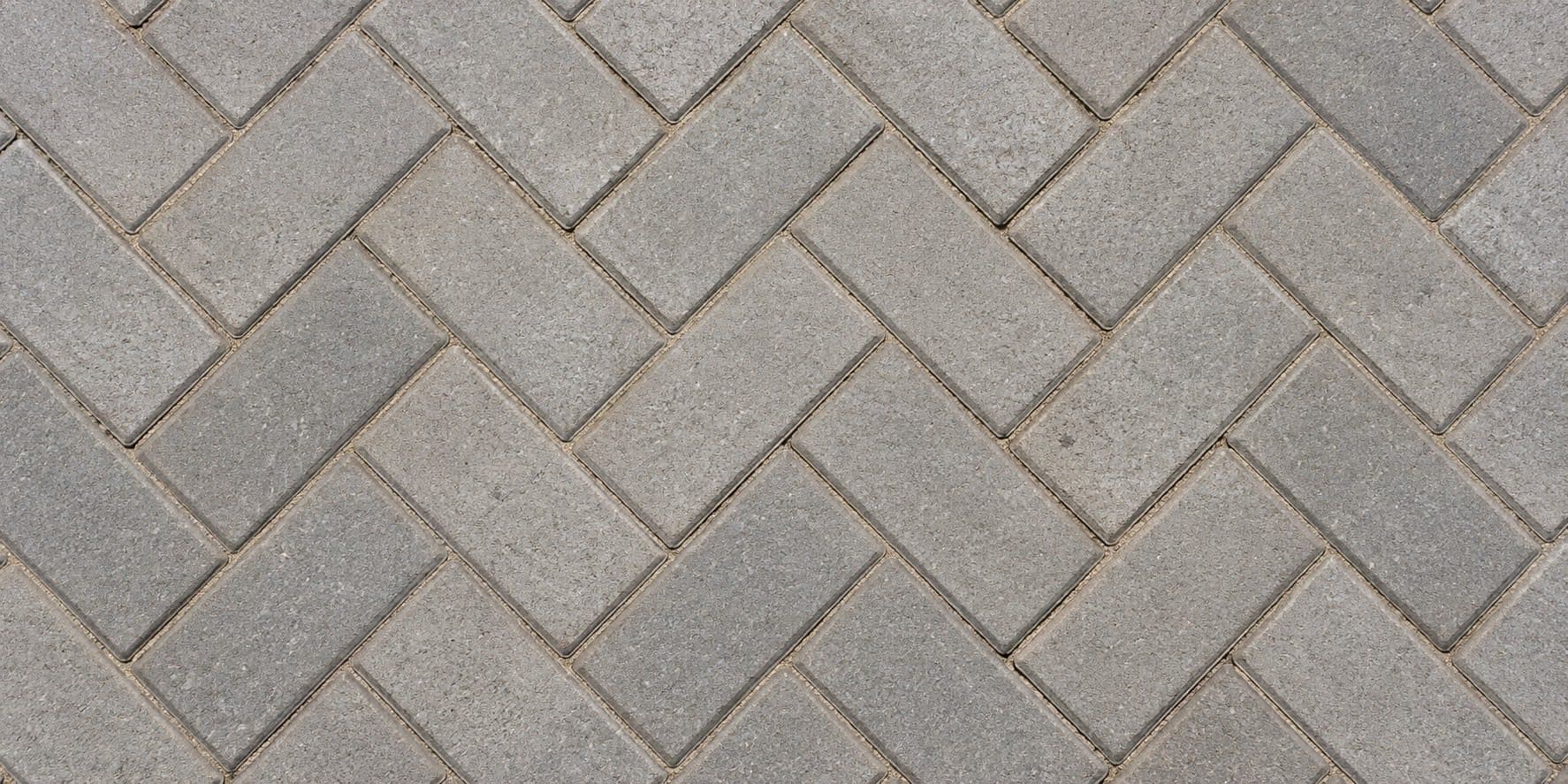
Concrete terrace slabs behave like block paving and the decisions are identical: finish, base, state of the substrate. CTS Chemistry runs both versions for them - HBP-1 invisible and HBP-2 wet look.
The whole sequence of decisions is in the guide to choosing a paving sealer - for concrete slabs it applies unchanged.
Concrete and floors
The largest shelf in the catalogue - 42 products, with coverage and manufacturer data.
- Standard
Split-face concrete block sealer VBe-1 CTS Chemistry
42,71 zł
30,00 zł/L≈ 3,75 zł/m²
- Standard
Concrete wall sealer, wet look VB-2 CTS Chemistry
45,01 zł
35,90 zł/L
- Standard
Concrete wall sealer, invisible finish VB-1 CTS Chemistry
31,89 zł
25,80 zł/L
- Standard
Grout and cement joint cleaner C-12F CTS Chemistry
38,99 zł
51,99 zł/L
- Premium
Solvent-based block paving sealer, wet look SK-2 CTS Chemistry
60,27 zł
54,12 zł/L≈ 7,22 zł/m²
- Standard
Anti-slip treatment for ceramic and porcelain tiles R-9C CTS Chemistry
59,90 zł
59,90 zł/L≈ 11,98 zł/m²
- Standard
Oil stain remover for concrete and paving OL-1 CTS Chemistry
55,20 zł
55,20 zł/L
- Standard
Block paving sealer, wet look HK-2 CTS Chemistry
43,70 zł
36,00 zł/L
Common questions
How does a sealer differ from a concrete hardener?
They are two different groups. Manufacturers describe a sealer as limiting water uptake, and a hardener as affecting the surface hardness of the floor. Our catalogue carries sealers and protective preparations; the scope of use for each is in its data sheet.
Does a garage floor have to be washed first?
If it carries oil stains, absolutely - a sealer will shut them in underneath. We covered that separately in the guide to oil stains.
How many coats on a floor?
The number of coats is a field in the data sheet and differs between preparations; we state it on every product page in the data tab. An absorbent, worn floor will usually take more than a smooth, fresh one.
Will a sealer stop the floor dusting?
Dusting has its causes in the floor itself, and some manufacturers address it in the scope of use for their preparations. Check whether the sheet for a specific product mentions it - if it does not, do not assume it is intended for that.