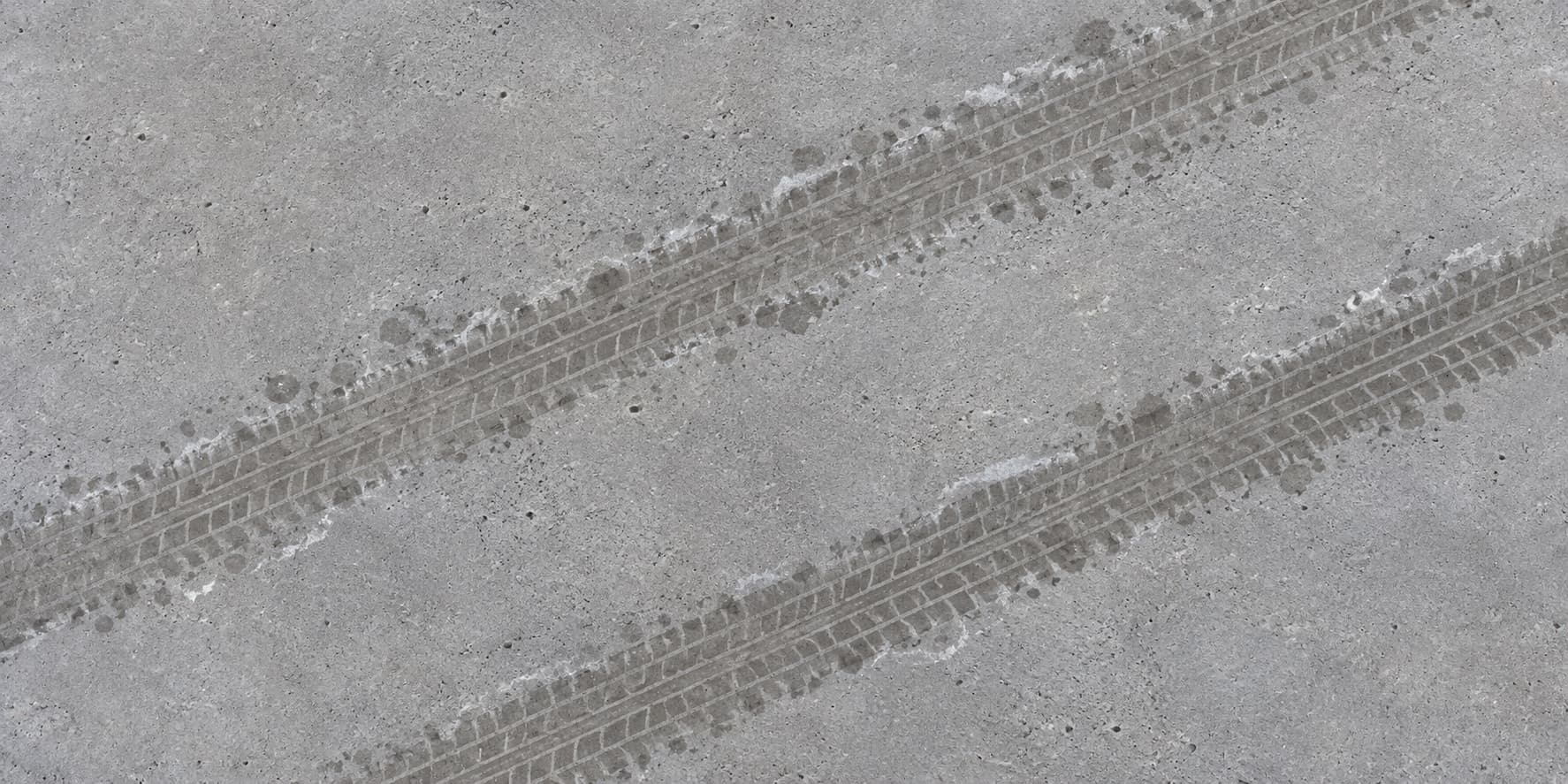
The best protection for a garage floor is a sealer that keeps not only water but also oil out of the concrete. The order never changes: remove the stains first, let the concrete dry, and only then seal. A sealer applied to a dirty floor locks in whatever it finds there.
A garage is not a terrace or a driveway. Grease is the main enemy here rather than water alone, and you are working in an enclosed space, so ventilation also decides which product you choose. For a wider comparison of floors, terraces and concrete walls, see our guide to sealing concrete and floors.
In short
Oil is the main enemy.
Choose an oil-repellent sealer - it limits the penetration of water and oils at the same time.
Stains first, sealer second.
A sealer will trap a stain under its protective layer and fix it in place.
In a closed garage, airflow matters.
Solvent-based products need ventilation; with poor airflow a water-based one is easier to work with.
Park the car only once it has fully dried.
With EH-18 and EH-20, plan a full day without the car in the garage.
What damages a garage floor
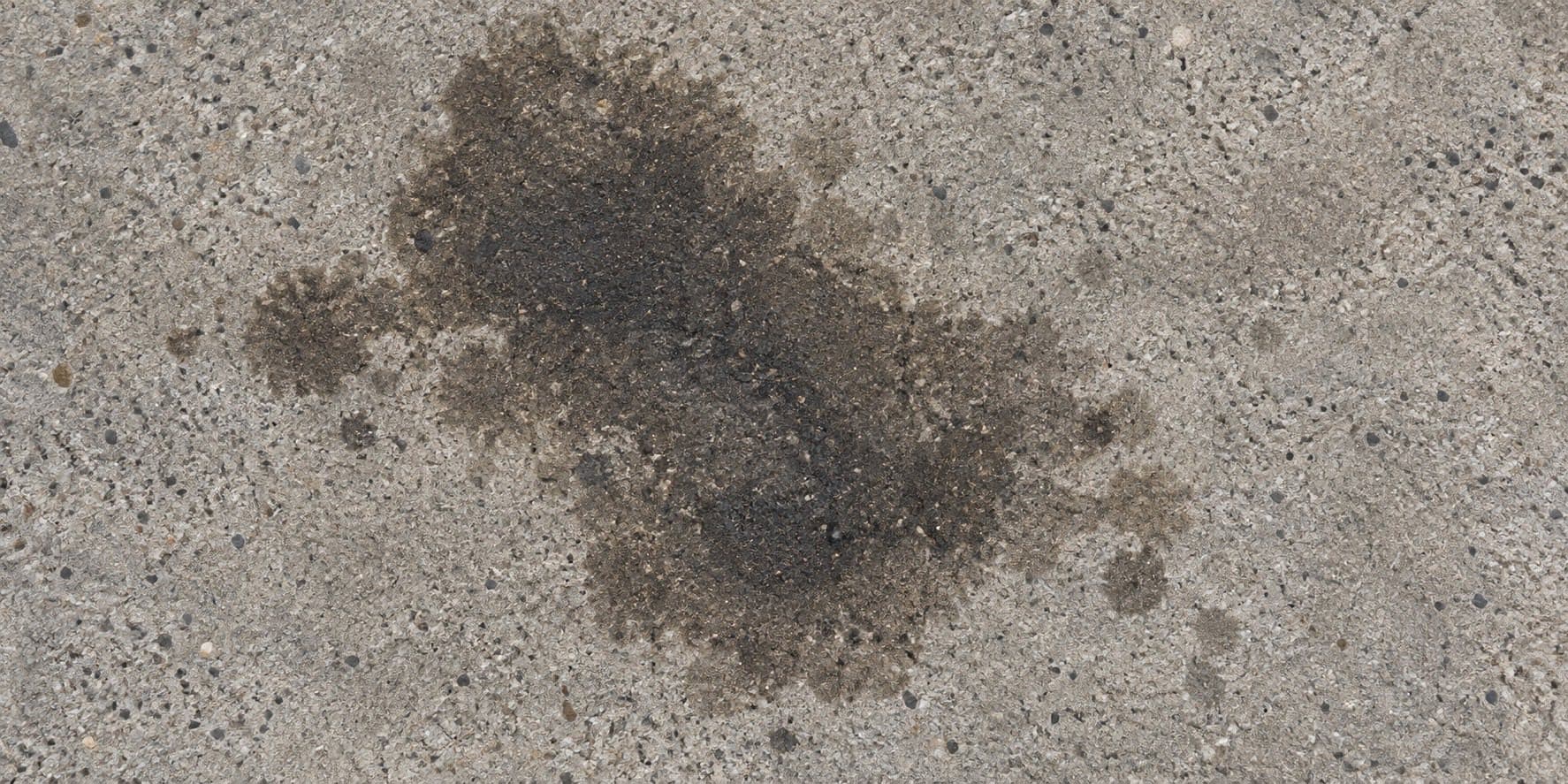
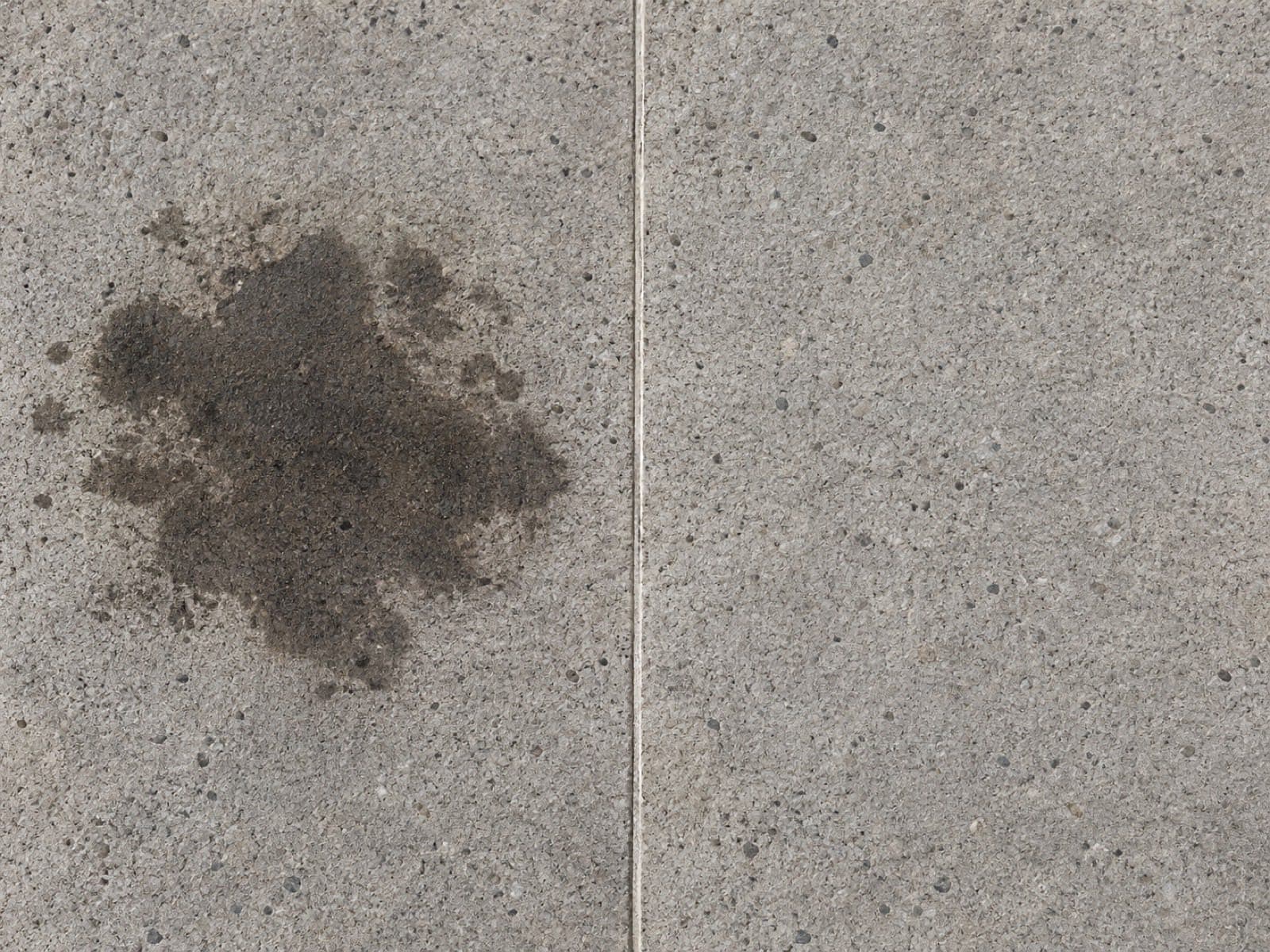
Concrete is porous and soaks up whatever lands on it. In a garage that happens from several directions at once. In winter the wheels bring in meltwater and road salt, and the salt travels into the pores with the water. Oil drips from the engine and does not stay on top: it soaks in and within a few days sits several millimetres below the surface. Every time you drive in and turn, the tyres wear away the top layer.
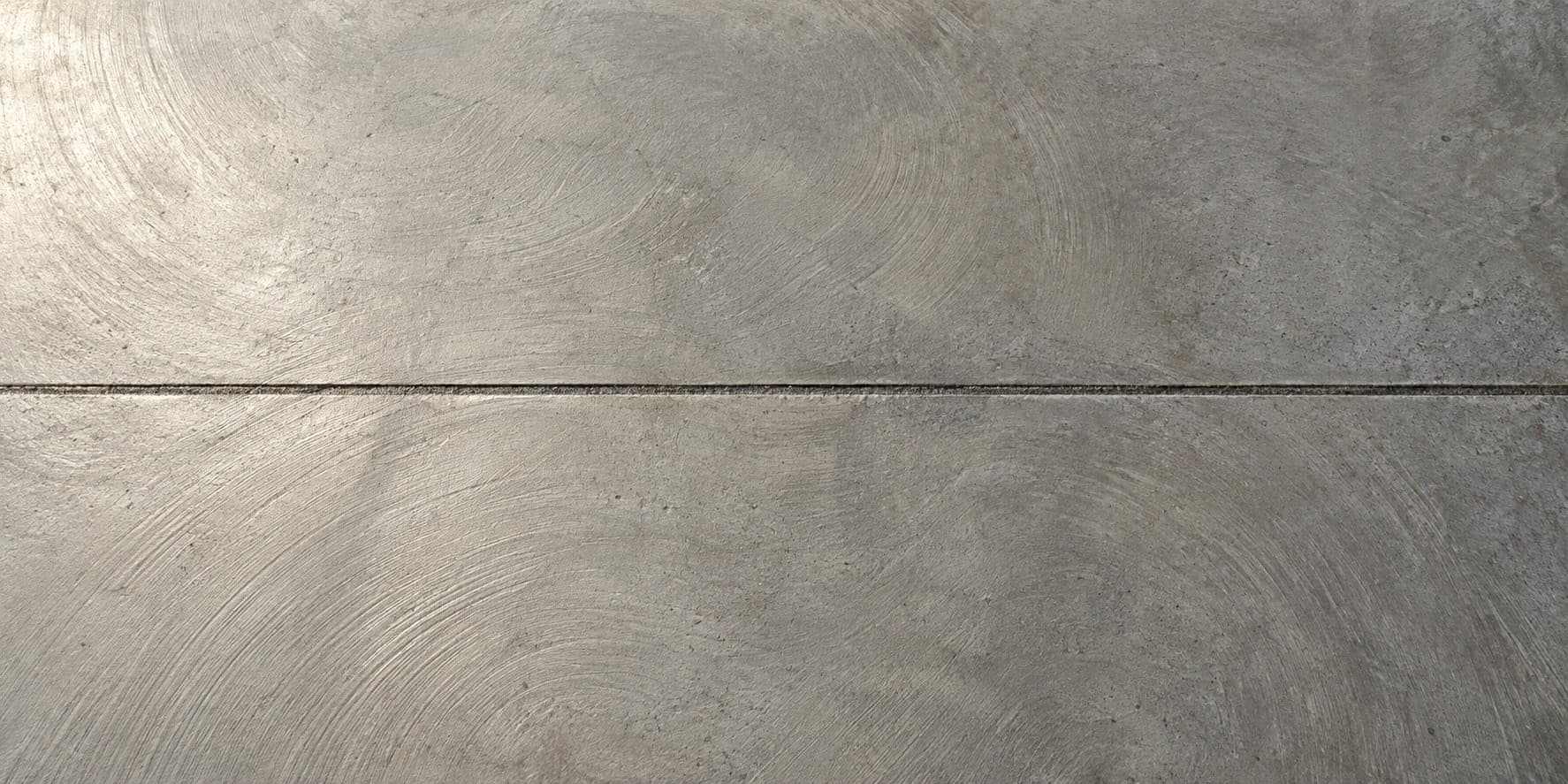
Then there is dusting - the grey powder that comes back every time you sweep. The cause usually lies in the slab itself: if the concrete was poorly trowelled, the material itself dusts, and a sealer will not replace a hardener. Loose particles on the surface, on the other hand, are bound by a product that forms a polymer layer. EI-19 colour sealer gives exactly this kind of dust-free layer and evens out the colour of the floor at the same time.
Sealer or coating - which is right for a garage?
A sealer penetrates the concrete and reduces how much it absorbs. A penetrating product forms no film on top, so it does not change grip and the floor does not become slippery. A coating sits on the surface: it takes the wear, but needs renewing over time.
In a garage the sealer is the foundation. If the floor also has to cope with heavy traffic, add a wear layer such as Polish’Guard anti-slip wax. This acrylic coating resists abrasion and scratches while reducing slip. Used undiluted it builds a wear layer; diluted 1:9 with water it is for routine maintenance. It does not replace a sealer: the sealer works inside the material, Polish’Guard on top of it.
Preparation: oil stains and a dry substrate
Cover a fresh stain with an absorbent first - sand, sawdust or cat litter - and collect whatever has not yet gone deep. For individual stains there is OL-1 CTS Chemistry oil stain remover, ready to use, at about 0.1-0.3 l/m². When the whole floor is greasy, with lubricants and tyre marks, Net’Guard Ultra 4 in 1 is more practical: apply it undiluted, give it at least 15 minutes and do not let it dry before rinsing. For workshop-type grime, EC-90 EKSIL does an excellent job. OL-1 and EC-90 are strongly alkaline, so wear gloves and safety glasses.
What to do with an old stain that has been washed many times is covered in our guide to oil stains on paving and concrete. You will find products for greasy dirt on the grease and oil page.
After washing, rinse the floor and let it dry - not just on the surface, but in the pores. Freshly poured concrete must first release its mixing water: some products require the substrate to cure for 28 days.
What to seal a garage floor with, and how
For a closed garage, EH-20 EKSIL, a water-based water- and oil-repellent sealer, is an excellent choice. It limits the penetration of water and oils, does not change the colour of the concrete and is vapour-permeable. Apply it undiluted in a single coat - by roller, brush, sponge or low-pressure spray - at +10 to +30 °C. A litre covers 4-12 m², and on smooth concrete you will get close to the upper figure. It needs at least a full day to dry.
If you can keep the space well ventilated during and after the work, solvent-based EH-18 EKSIL does an excellent job; it is made for concrete and floors, including those that carry traffic. It limits the penetration of water and the road salt dissolved in it. It adds no gloss and does not change the colour, at most slightly darkening and matting the surface, so test it first on light concrete. Work at +5 to +30 °C; a litre covers 4-7 m², and porous concrete takes a second coat. It is touch-dry in 2-3 hours and fully cured after a day - until then, keep use of the floor to a minimum.
How to match the base to garage conditions is explained in our guide water-based or solvent-based sealer. You will find the other products in the concrete and floors category.
When the garage floor gets slippery
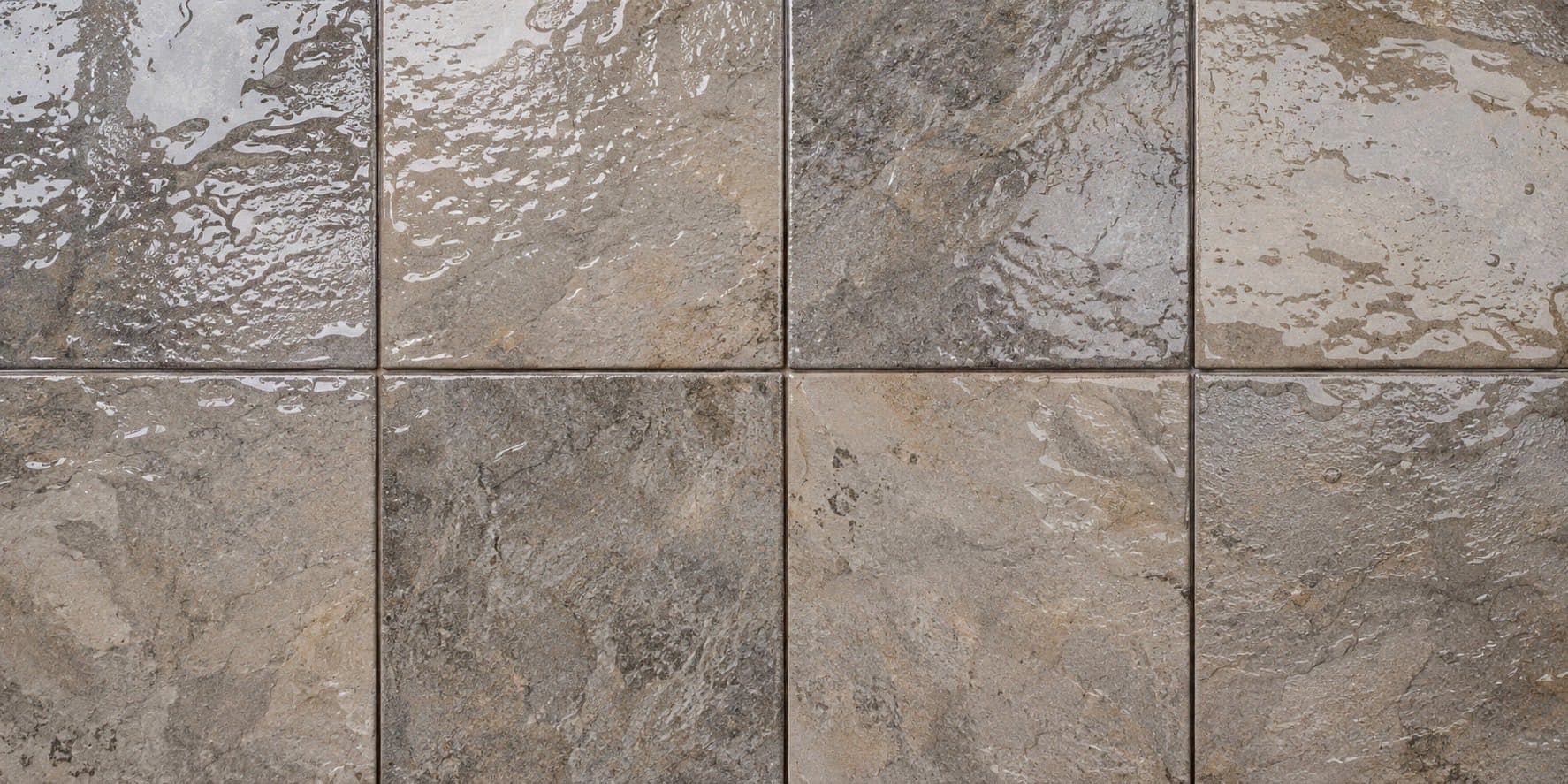
Wet tyres and spilled oil can turn a smooth floor into an ice rink. Find the cause first: a greasy film comes off with degreasing, while a smooth material that is slippery in itself needs an anti-slip treatment. How to tell them apart is shown in our guide to slippery paving, terraces and tiles.
On concrete, Guard Slip Resistant works excellently. It reacts with the silica in the substrate and improves grip even when the surface is wet, without changing its appearance. One application is enough, and a litre covers 10 m². If your garage floor is ceramic or porcelain tile, go for R-9C CTS Chemistry.
Garage floor: what to do and with what
| Situation | What to do | Product |
|---|---|---|
| Fresh oil stain | Cover with absorbent, collect, degrease | OL-1 |
| Greasy floor, lubricants, tyre marks | Wash the whole surface and rinse | Net’Guard Ultra 4 in 1 or EC-90 |
| Clean, dry floor, poor airflow | Water-based, oil-repellent sealing | EH-20 |
| Clean, dry floor, good airflow | Solvent-based sealing | EH-18 |
| Floor is slippery when wet | Anti-slip treatment | Guard Slip Resistant, on porcelain tile R-9C |
| Heavy traffic and wear | Wear layer on top | Polish’Guard |
For the garage: degreasers, sealers and anti-slip
From removing oil stains, through sealing the concrete, to protection against slip and wear.
 Standard
Anti-slip treatment for ceramic and porcelain tiles R-9C CTS Chemistry
59,90 zł
59,90 zł/L≈ 11,98 zł/m²
-trim-01M35DD76FFBNSJGXF3H6BJB72.png&w=3840&q=75) Standard
StandardOil stain remover for concrete and paving OL-1 CTS Chemistry
55,20 zł
55,20 zł/L
 Standard
Industrial soiling cleaner EC-90 EKSIL
60,00 zł
13,30 zł/L≈ 2,96 zł/m²
 Premium
Solvent-based sealer for concrete and floors EH-18 EKSIL
239,00 zł
39,30 zł/L≈ 7,15 zł/m²
 Standard
Water- and oil-repellent sealer for concrete and brick EH-20 EKSIL
149,99 zł
30,00 zł/L≈ 3,75 zł/m²
 Premium
Anti-slip floor wax - Polish’Guard
899,00 zł
179,80 zł/L
 Premium
Anti-slip treatment for tiles, stone and concrete - Guard Slip Resistant
199,00 zł
259,80 zł/L≈ 25,98 zł/m²
 Premium
Degreaser and cleaner for patios and driveways - Net’Guard Ultra 4 in 1
279,00 zł
55,80 zł/L≈ 6,98 zł/m²
Common questions
When can I drive the car in after sealing the floor?
Once the product has fully dried. EH-18 is touch-dry after 2-3 hours and fully cured after 24 hours - until then, keep use of the floor to a minimum. EH-20 needs at least a full day to dry.
Will a sealer stop a garage floor from dusting?
Yes, if you choose a product that forms a polymer layer - it binds loose particles on the surface. It will not, however, replace a hardener where the concrete itself dusts because it was poorly trowelled. If you are not sure which case you have, write to us - we reply within 24 hours.
Does a sealer protect the floor from road salt?
It helps: it limits the penetration of water and the salts dissolved in it. The less time meltwater stands on the floor, the less chance it has to soak in.
Water-based or solvent-based sealer for a garage?
In a closed garage, usually water-based, as it is easier to work with when airflow is poor. Choose a solvent-based one such as EH-18 when you can ventilate during application and for the time given in the product instructions.
Will the floor be slippery after sealing?
Not if you choose a penetrating product - it forms no film on top and does not change grip. If the floor is already slippery, use an anti-slip treatment instead of a sealer.