 Standard
Sandstone wall and facade sealer VP-1 CTS Chemistry
45,40 zł
36,18 zł/L
Sandstone sealers for sills, cladding, garden walls and facades - invisible ones that leave the stone in its own shade, and wet-look ones that permanently deepen its colour. They limit the water uptake that destroys this stone from within.
7 products
StandardSandstone wall and facade sealer VP-1 CTS Chemistry
45,40 zł
36,18 zł/L
 Standard
Sandstone sealer, invisible finish HP-1 CTS Chemistry
42,80 zł
33,94 zł/L
 Standard
Facade and render cleaner C-11E CTS Chemistry
20,66 zł
19,43 zł/L
 Premium
Water-based sealer for natural stone and facades EH-21 EKSIL
109,00 zł
32,50 zł/L
 Standard
Water- and oil-repellent sealer for concrete and brick EH-20 EKSIL
149,99 zł
30,00 zł/L≈ 3,75 zł/m²
 Premium
Wet-look stone sealer, semi-gloss - ProtectGuard WL
159,00 zł
145,80 zł/L≈ 14,58 zł/m²
 Premium
Wet-look stone sealer, matt - ProtectGuard WL Mat
159,00 zł
145,80 zł/L≈ 14,58 zł/m²
Before you choose: how to pick the right product, prepare the surface and what to expect once it is on.
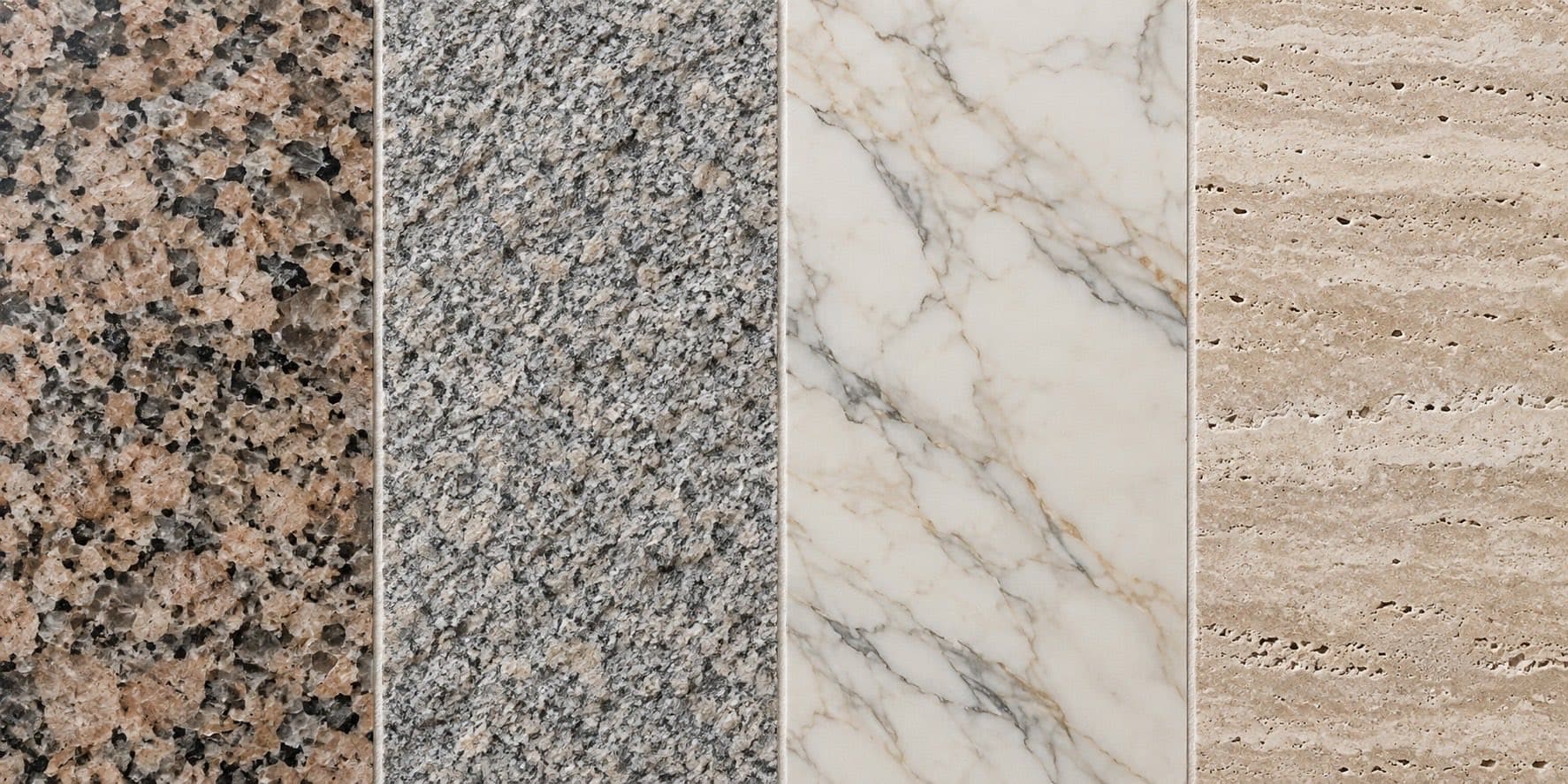 Choosing a product
Polished granite, flamed granite, marble, travertine and sandstone are five different substrates, not one. Each needs a different preparation - here is how to choose the right one.
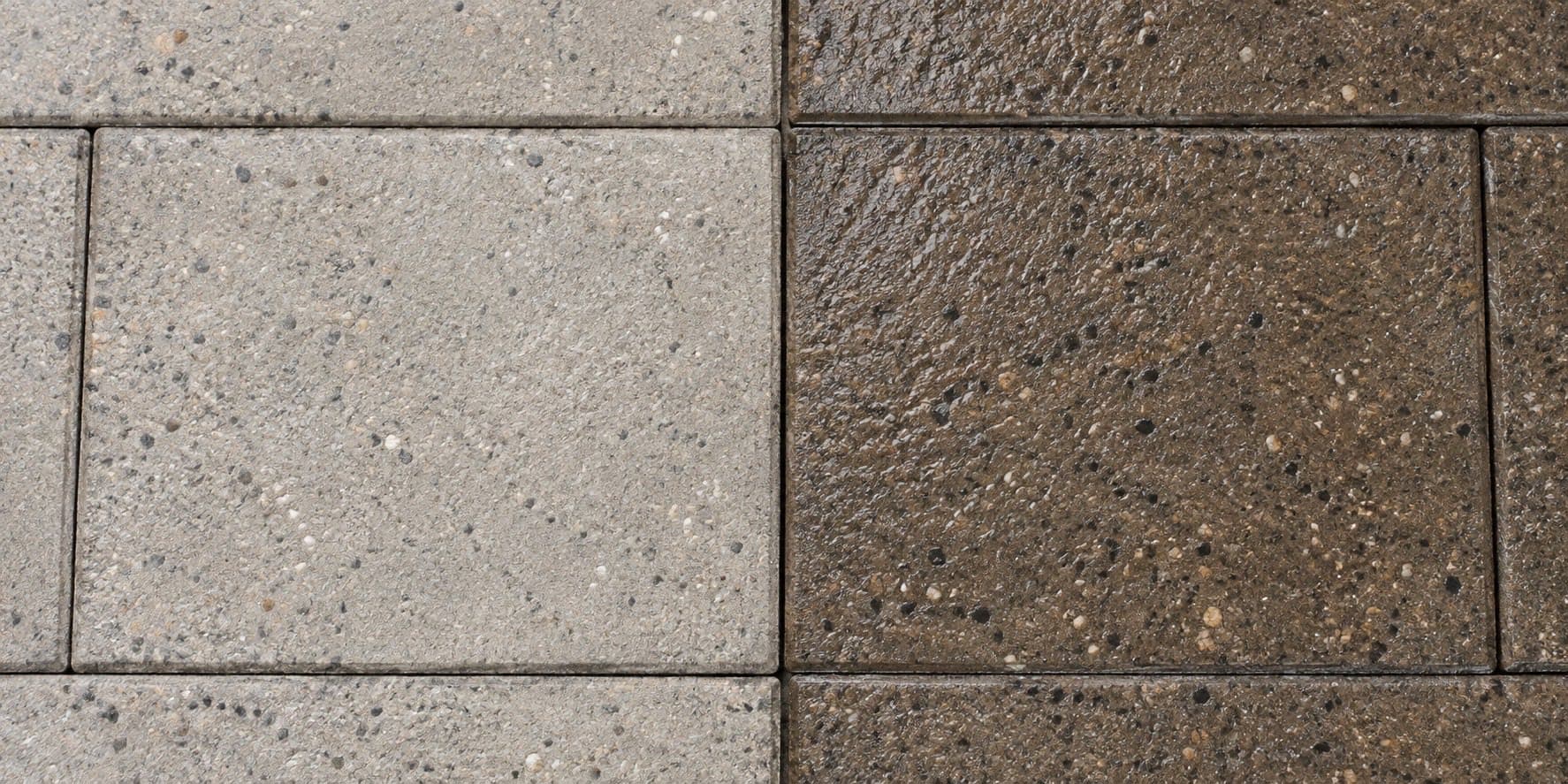 Choosing a product
Choosing the finish is the one sealing decision you cannot undo without stripping the layer. See what separates the two, how to test them, and when to choose which.
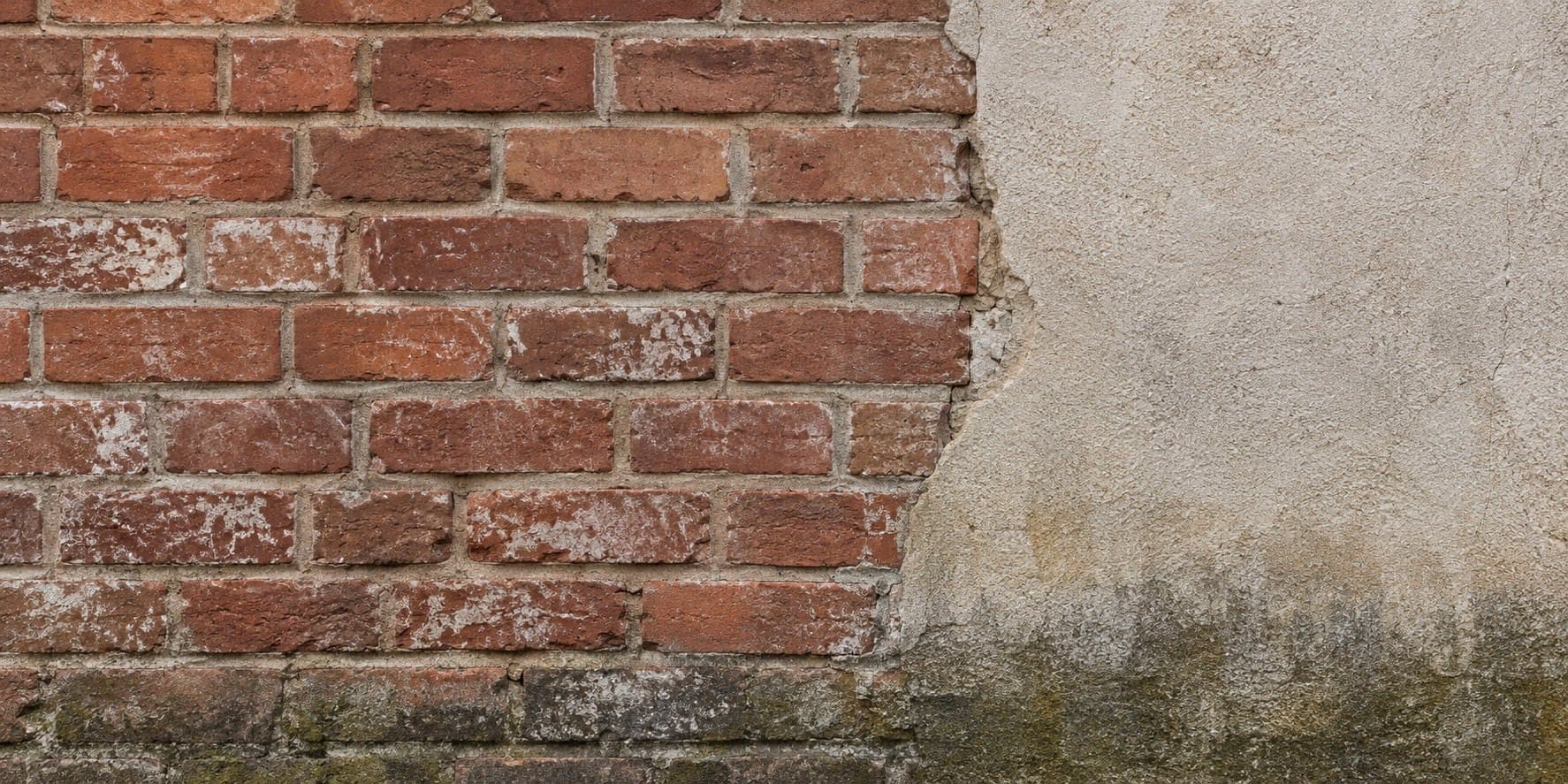 Choosing a product
A wall comes with a condition a driveway does not: masonry has to give up moisture. Which makes vapour permeability the first question here, not the last.
The absorbency of sandstone is also its weakness. Water gets in deep, carrying salts that crystallise as it evaporates and burst the stone from within. On a facade there is also the cycle of soaking and freezing - the main way this stone is destroyed in the Polish climate. We show how sandstone compares with granite and travertine in the Natural stone section.
Pale sandstone turns noticeably warmer under a wet-look sealer. We compare the two finishes in the guide invisible sealer or wet look.
Judging the colour straight away. A freshly applied sealer looks like a wet surface whatever finish it is meant to give. Judge it once fully dry, and with ProtectGuard WL Mat after 5-7 days, because only then does the final look settle.
An invisible one will not: HP-1 and VP-1 leave the colour and texture of the stone as they are. On a very absorbent, matt surface, though, an invisible sealer can slightly deepen the shade simply by filling the pores. If you want a distinct change, choose ProtectGuard WL Mat or WL - that effect is permanent.
The composition is the same - what differs is the use each was tested for. For elements and cladding choose HP-1, for walls and facades VP-1.
More than granite; how much depends on the stone. HP-1 and VP-1 are applied to saturation, so seal one square metre, measure what it took and multiply by the area with a margin. EH-20 covers 4-12 m²/l, and on absorbent sandstone you will be near the lower end.
HP-1 and VP-1 are rainproof after 5-6 hours. Until then, protect the stone from rain and direct sunlight.
To limit the cycle of soaking and freezing that destroys this stone. VP-1 limits the ingress of rainwater and the compounds dissolved in it, while the pores of the stone stay open, so the wall still releases moisture.