 Standard
Brick and engineering brick sealer VC-1 CTS Chemistry
42,50 zł
33,90 zł/L
Brick and clinker sealers - invisible, colour-deepening and anti-graffiti - that cut water uptake across the whole wall, joints included. Alongside them, the cleaners that get the face ready: for algae, efflorescence and mortar residue.
11 products
StandardBrick and engineering brick sealer VC-1 CTS Chemistry
42,50 zł
33,90 zł/L
 Standard
Facade and render cleaner C-11E CTS Chemistry
20,66 zł
19,43 zł/L
 Standard
Efflorescence and staining remover EC-22 EKSIL
39,00 zł
19,43 zł/L≈ 4,32 zł/m²
 Premium
Water-based sealer for natural stone and facades EH-21 EKSIL
109,00 zł
32,50 zł/L
 Standard
Silane facade sealer that deepens colour EH-16 EKSIL
145,00 zł
25,75 zł/L
 Standard
Water- and oil-repellent sealer for concrete and brick EH-20 EKSIL
149,99 zł
30,00 zł/L≈ 3,75 zł/m²
 Entry
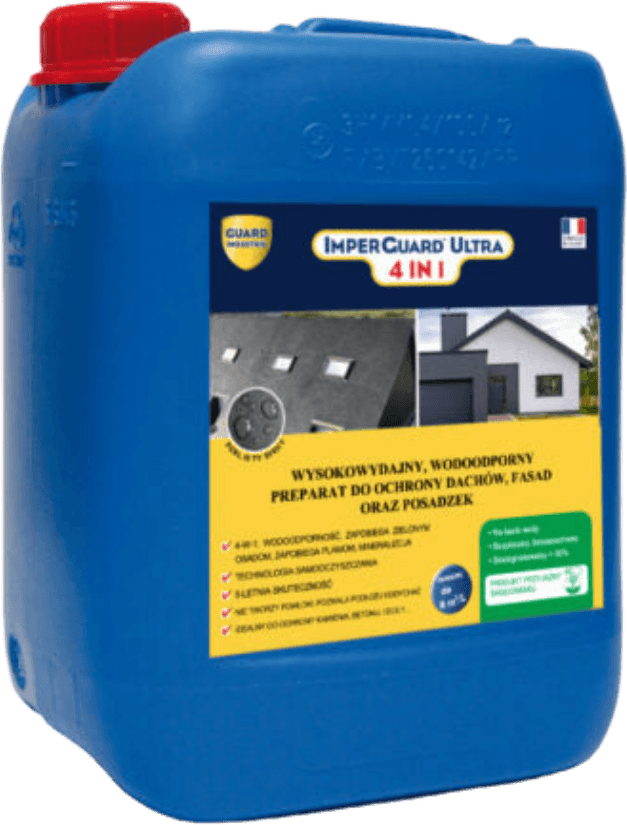
EntryWater-repellent sealer for facades, roofs and paving - ImperGuard Ultra 4 in 1
269,00 zł
53,80 zł/L≈ 6,73 zł/m²
 Premium
Wet-look stone sealer, semi-gloss - ProtectGuard WL
159,00 zł
145,80 zł/L≈ 14,58 zł/m²
-trim-01M35D90NJB4AGG7BRVVRBWK9C.png&w=3840&q=75) Premium
PremiumEfflorescence and cement laitance remover - Guard Remover Eco
53,00 zł
41,80 zł/L≈ 6,97 zł/m²
Before you choose: how to pick the right product, prepare the surface and what to expect once it is on.
 Choosing a product
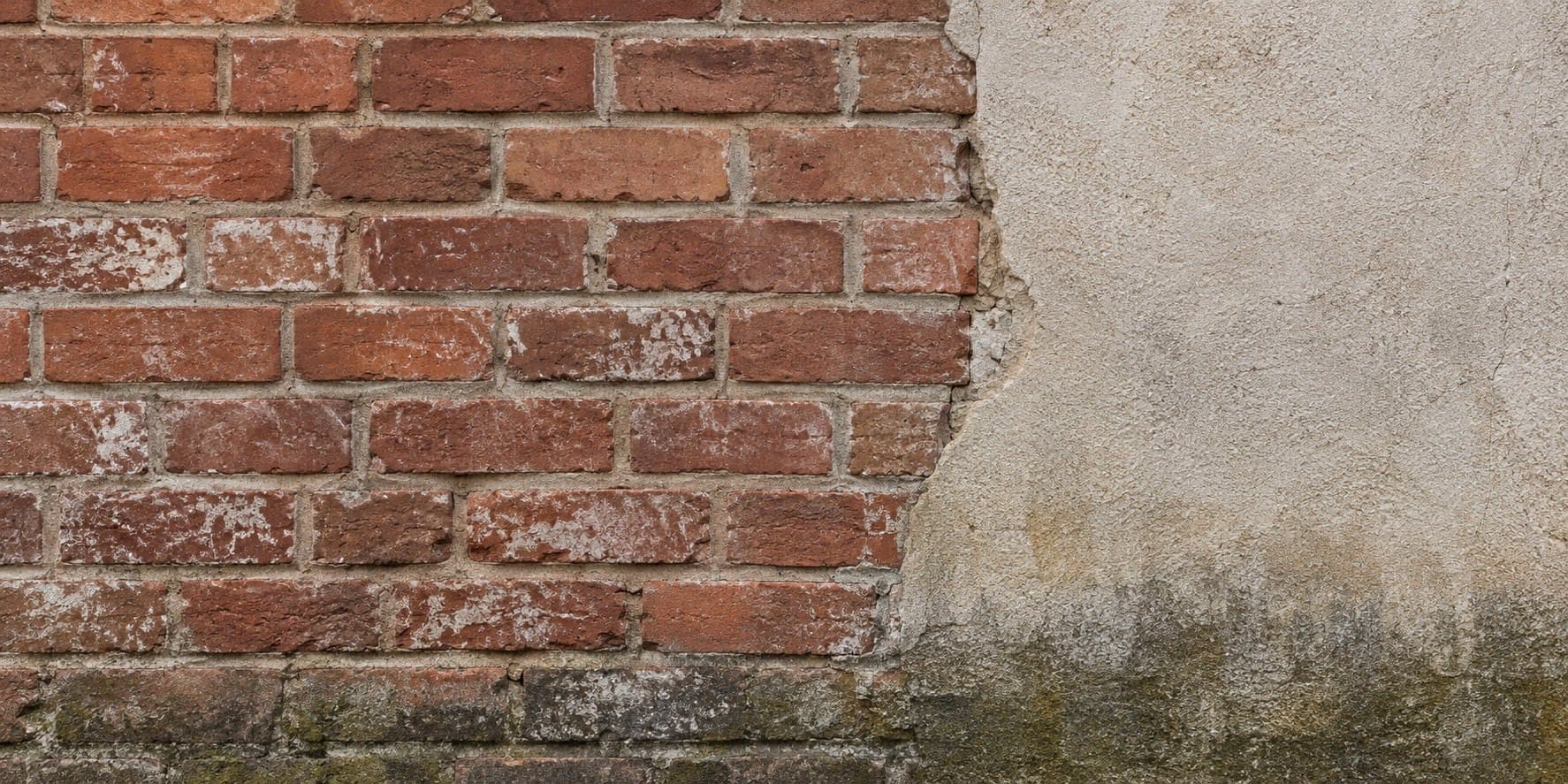
A wall comes with a condition a driveway does not: masonry has to give up moisture. Which makes vapour permeability the first question here, not the last.
 Stain removal
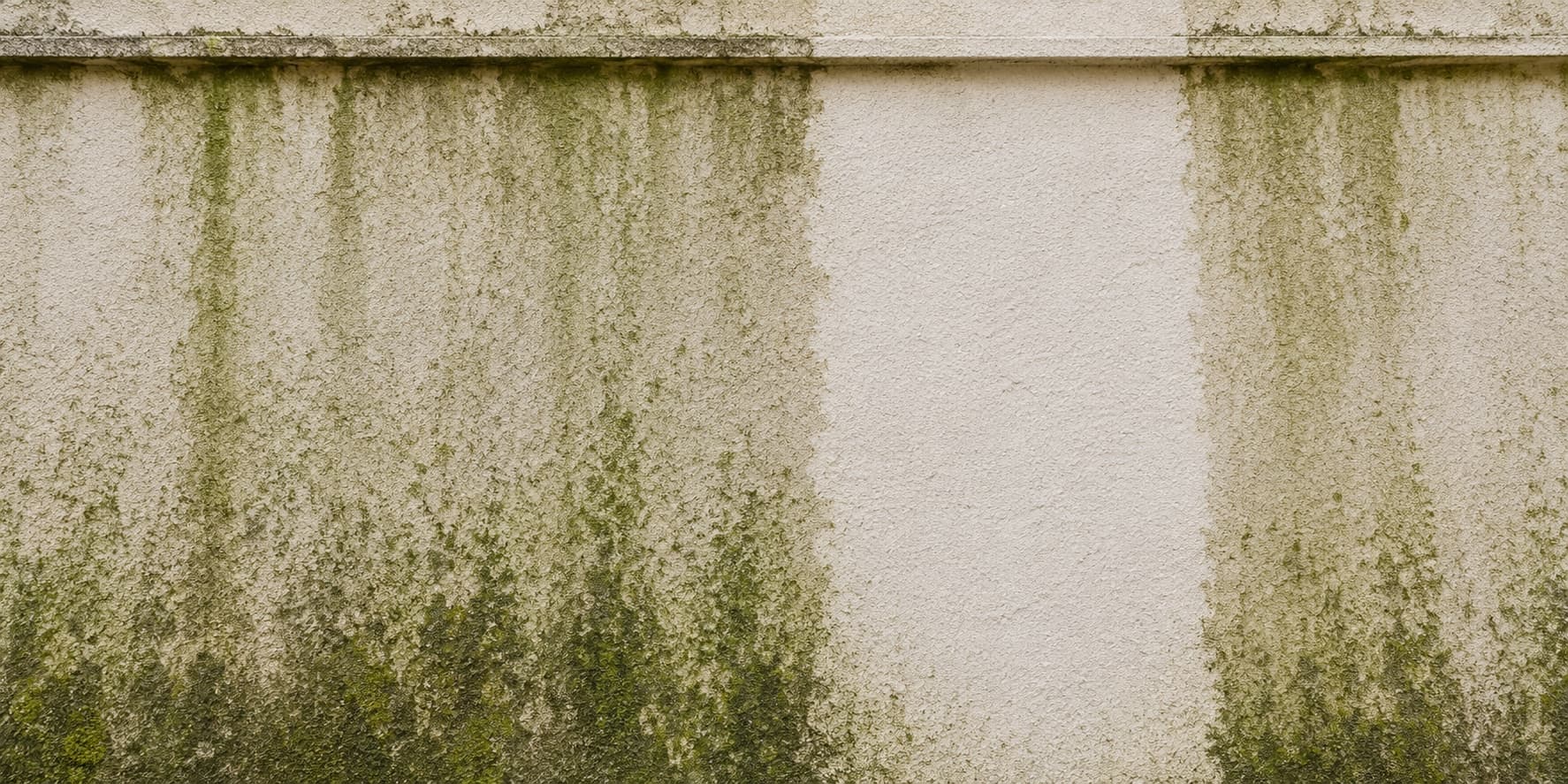
Green algae comes off a facade with a cleaner and a gentle rinse, not by blasting the render with a hard jet. What to wash the wall with, when you can do it yourself, how to use a pressure washer and what to do afterwards.
 Choosing a product
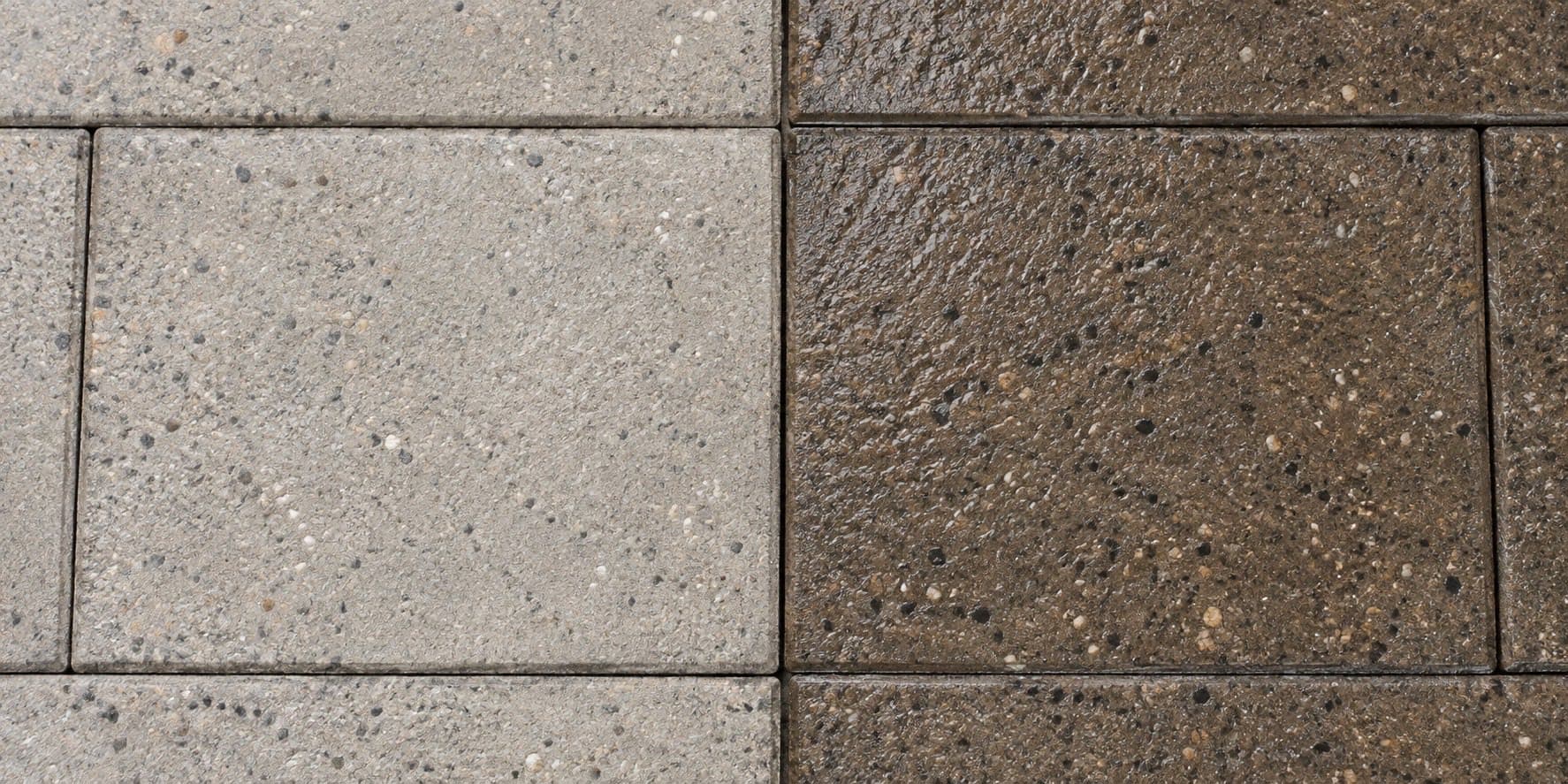
Choosing the finish is the one sealing decision you cannot undo without stripping the layer. See what separates the two, how to test them, and when to choose which.
A brick or clinker wall takes up water through the face and through the joints. In a brick wall the weak point is the joint: cement mortar absorbs water even more readily than the brick itself. Rain carries salts in with it, and once the water evaporates they stay on the face as white efflorescence. A sealer lowers the water uptake of the whole wall while the masonry still releases vapour - we explain why that is a must on a wall in the Facades and roofs section.
A wet-stone look cannot be undone. We explain how to judge it before you commit in the guide invisible sealer or wet look.
Leaving an acidic cleaner on the wall. EC-22 acts on cement binder and must not dry on the face - that is the most common cause of streaks after washing. On fresh or washed-out joints, start with a test on a small area, and on a coloured face dilute the product with water, as undiluted it can strip the colour.
Yes, if the wall darkens after rain or white efflorescence appears on it. A sealer limits the ingress of rainwater and salts, and an invisible one leaves the clinker in its own colour and texture.
Only if you want it to. VC-1, EH-20 and ProtectGuard are colourless. EH-16 gently deepens the colour, and ProtectGuard WL Mat and WL give a lasting wet-stone look. A test on a section of wall shows the result before you seal the whole face.
Yes - you apply it to the whole face of the wall, joints included. Repair damaged or washed-out joints before sealing, though, because a sealer is not a sealant.
With an acidic product, because efflorescence is alkaline. EC-22 removes carbonate efflorescence and streaks from clinker, dried-on ones included. Do not let it dry on the face, and once the wall is washed and dry, seal it - the sealer limits the water uptake that carries salts to the surface.
Watch the water. As long as it beads on the surface, the protection is working. When water starts soaking in and dark patches return after rain, it is time to seal again.