 Premium
Travertine sealer, wet look ST-2 CTS Chemistry
121,70 zł
121,70 zł/L≈ 6,09 zł/m²
Sealers for marble and travertine worktops, sills, floors and steps - invisible or with a wet-stone look that brings out the veining in marble. They limit the ingress of liquids and do not make travertine any more slippery.
8 products
PremiumTravertine sealer, wet look ST-2 CTS Chemistry
121,70 zł
121,70 zł/L≈ 6,09 zł/m²
 Premium
Travertine sealer, invisible finish ST-1 CTS Chemistry
61,40 zł
61,40 zł/L≈ 3,07 zł/m²
 Premium
Marble sealer, wet look SM-2 CTS Chemistry
121,70 zł
121,70 zł/L≈ 6,09 zł/m²
 Premium
Marble sealer, invisible finish SM-1 CTS Chemistry
61,40 zł
61,40 zł/L≈ 3,07 zł/m²
 Premium
Water-based sealer for natural stone and facades EH-21 EKSIL
109,00 zł
32,50 zł/L
 Standard
Water- and oil-repellent sealer for concrete and brick EH-20 EKSIL
149,99 zł
30,00 zł/L≈ 3,75 zł/m²
 Premium
Marble and granite sealer, anti-graffiti - ProtectGuard MG
1299,00 zł
259,80 zł/L
 Premium
Water-based sealer for low-porosity stone - ProtectGuard MG Eco
129,00 zł
172,00 zł/L
Before you choose: how to pick the right product, prepare the surface and what to expect once it is on.
 Choosing a product
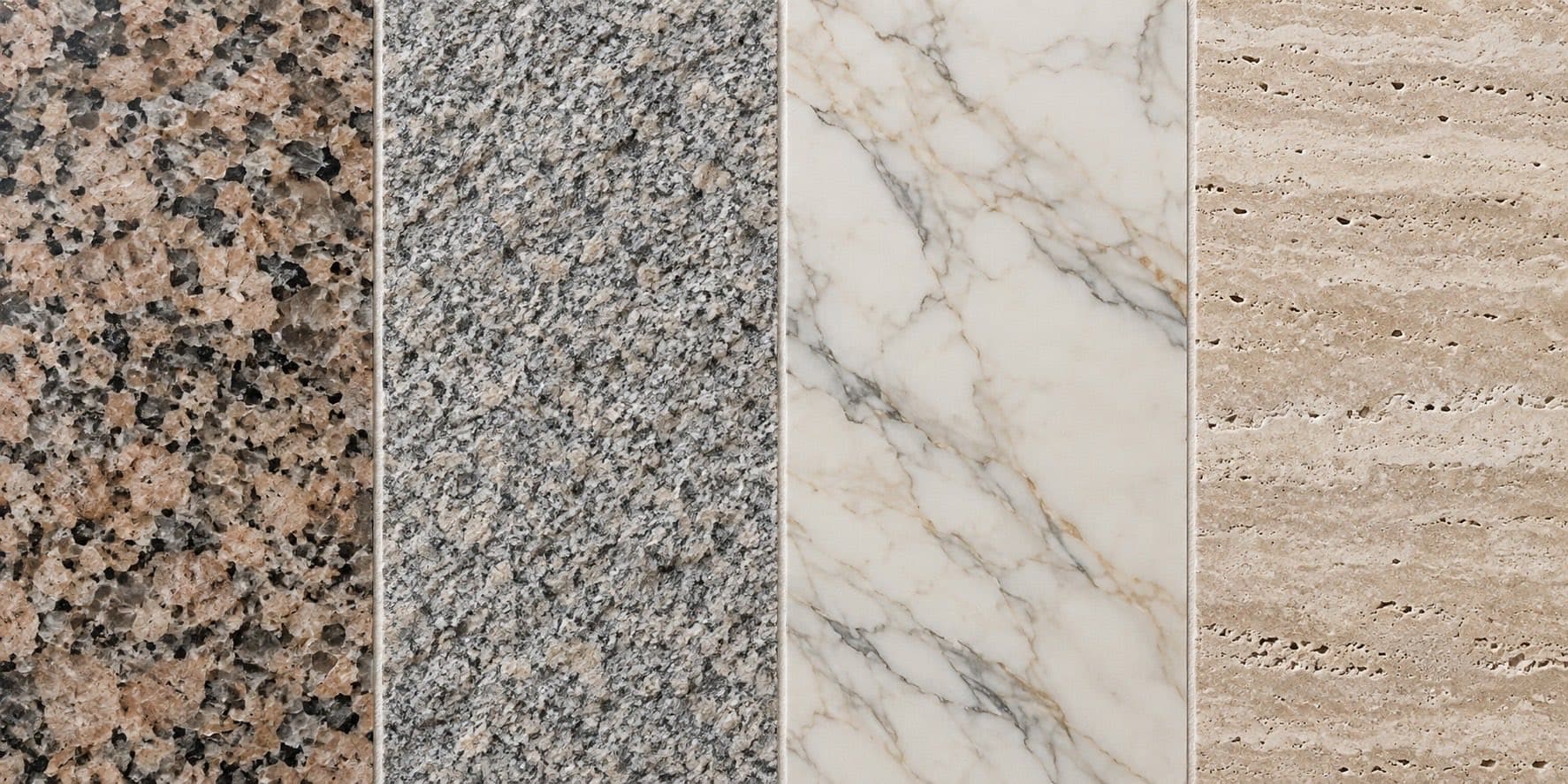
Polished granite, flamed granite, marble, travertine and sandstone are five different substrates, not one. Each needs a different preparation - here is how to choose the right one.
 Choosing a product
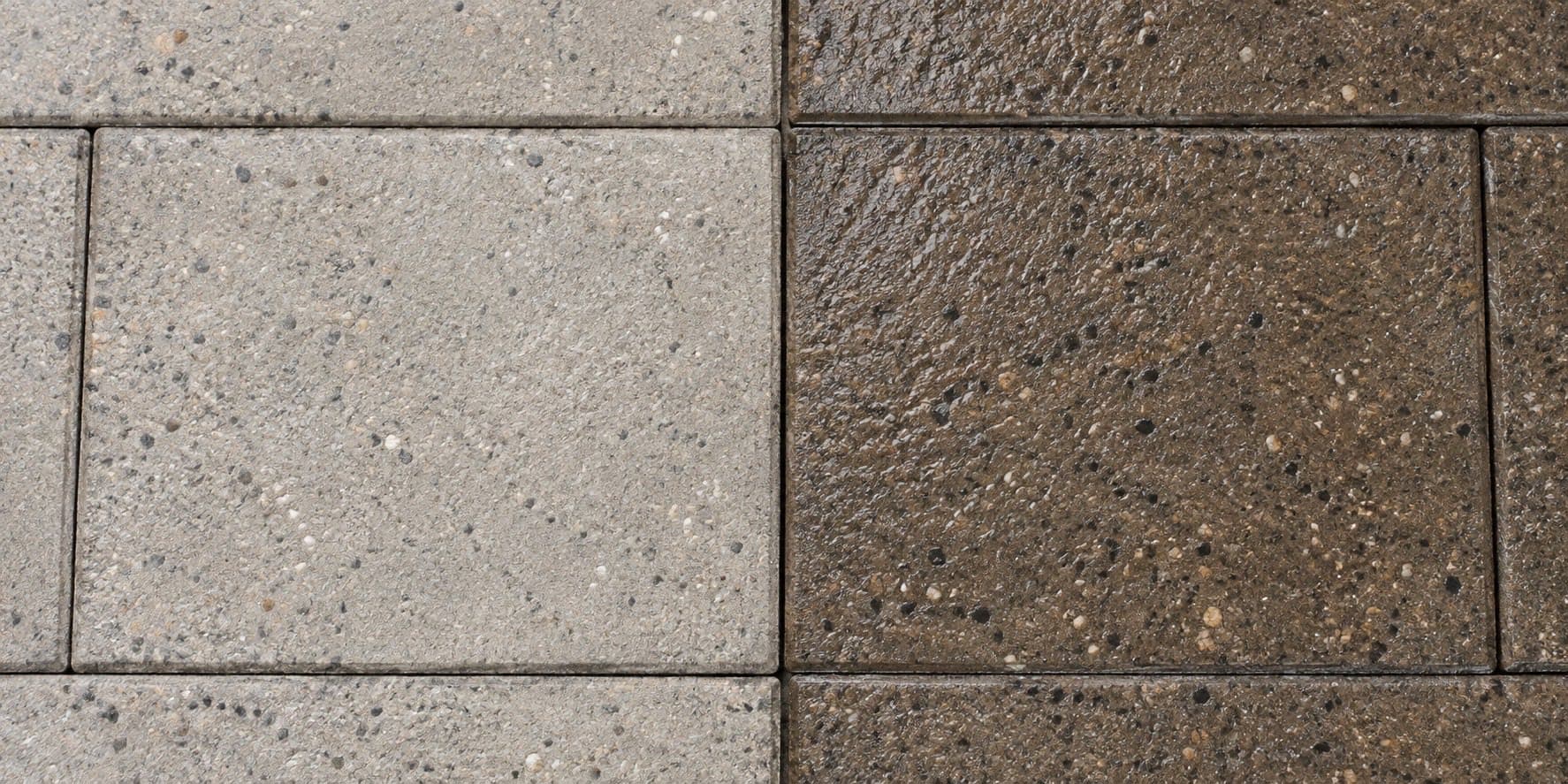
Choosing the finish is the one sealing decision you cannot undo without stripping the layer. See what separates the two, how to test them, and when to choose which.
 Choosing a product
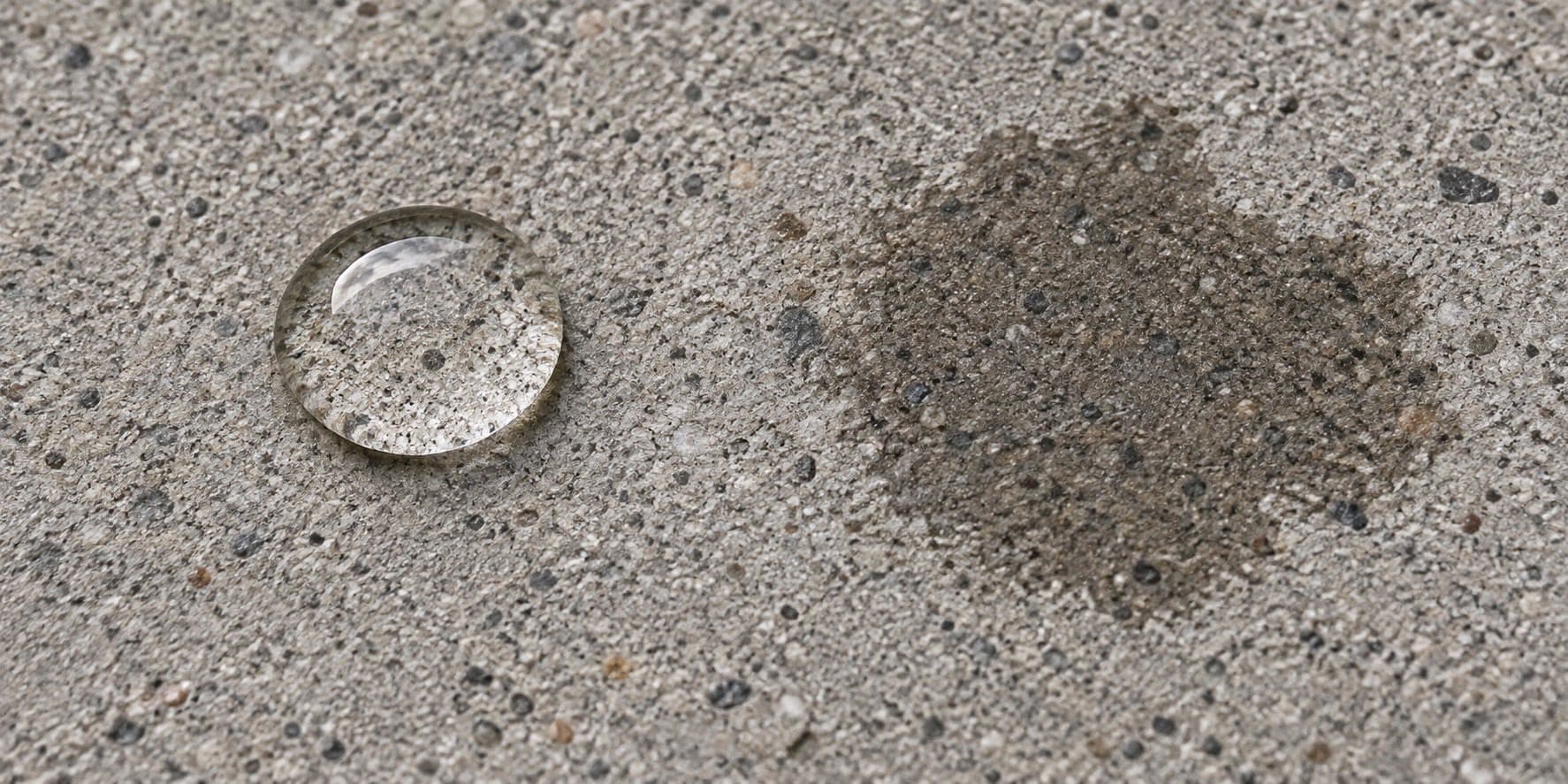
This difference is mostly about working conditions, not about the class of product. What it actually changes on the job, and when one rules the other out.
What marble and travertine have in common is sensitivity to acids: a drop of lemon juice or vinegar can etch a dull mark into a polished surface. A sealer limits the ingress of liquids but does not change the stone's chemical resistance, so wipe up spilt acid at once. We show how these stones compare with granite and sandstone in the Natural stone section.
We explain how to judge a wet-stone look before you commit in the guide invisible sealer or wet look.
Sealing stone that has a wax coating. On older travertine and marble floors it is easy to miss an old layer of wax or polish. The sealer has to soak into the stone, so it will not get through such a layer - do the water-drop test before you start.
SM-1 if the marble is to keep its colour and polish, or SM-2 if you want a wet-stone look. ProtectGuard MG Eco works without solvents, and ProtectGuard MG adds protection against graffiti. Choose EH-20 only for marble with a rough surface.
ST-1 for an invisible finish or ST-2 for a wet-stone look. Neither adds slipperiness, so both also suit the area around a pool and outdoor steps, indoors and out.
No. A sealer soaks into the material and is not a filler - fill gaps and cavities before sealing if you want them gone.
Yes, and noticeably. It deepens the colour and brings out the veining. The effect is permanent, so before you seal the whole surface, test it on a hidden area - especially on pale marble.
Yes, after SM-1, SM-2, ST-1 and ST-2. They are solvent-based, so keep the room well ventilated during sealing and for 72 hours afterwards. On marble, the water-based ProtectGuard MG Eco works without solvents.