 Premium
Polished granite sealer, wet look SG-2 CTS Chemistry
121,70 zł
121,70 zł/L≈ 6,09 zł/m²
Granite sealers matched to the finish: for flamed and bush-hammered granite and for polished, invisible or with a wet-stone look. Alongside them, worktop and anti-graffiti protection, an anti-slip treatment for tiles and an efflorescence remover.
10 products
PremiumPolished granite sealer, wet look SG-2 CTS Chemistry
121,70 zł
121,70 zł/L≈ 6,09 zł/m²
 Premium
Polished granite sealer, invisible finish SG-1 CTS Chemistry
61,40 zł
61,40 zł/L≈ 3,07 zł/m²
 Standard
Anti-slip treatment for granite and gneiss tiles R-9G CTS Chemistry
59,90 zł
59,90 zł/L≈ 9,22 zł/m²
 Standard
Flamed granite sealer, wet look HG-2 CTS Chemistry
47,90 zł
38,40 zł/L
 Standard
Flamed granite sealer, invisible finish HG-1 CTS Chemistry
42,80 zł
36,16 zł/L≈ 4,52 zł/m²
 Standard
Efflorescence and staining remover EC-22 EKSIL
39,00 zł
19,43 zł/L≈ 4,32 zł/m²
 Premium
Water-based sealer for natural stone and facades EH-21 EKSIL
109,00 zł
32,50 zł/L
 Standard
Water- and oil-repellent sealer for concrete and brick EH-20 EKSIL
149,99 zł
30,00 zł/L≈ 3,75 zł/m²
 Premium
Marble and granite sealer, anti-graffiti - ProtectGuard MG
1299,00 zł
259,80 zł/L
Before you choose: how to pick the right product, prepare the surface and what to expect once it is on.
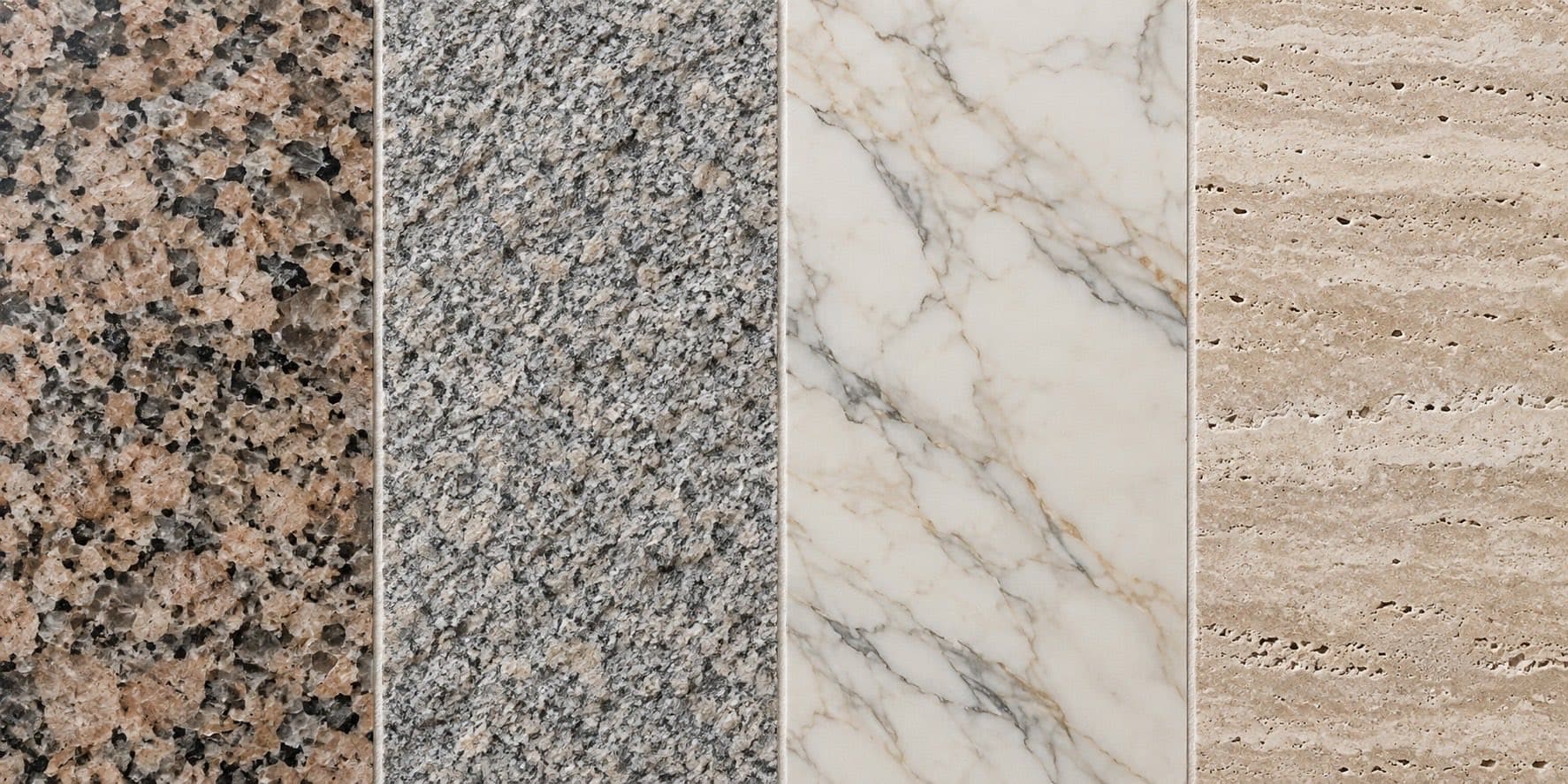 Choosing a product
Polished granite, flamed granite, marble, travertine and sandstone are five different substrates, not one. Each needs a different preparation - here is how to choose the right one.
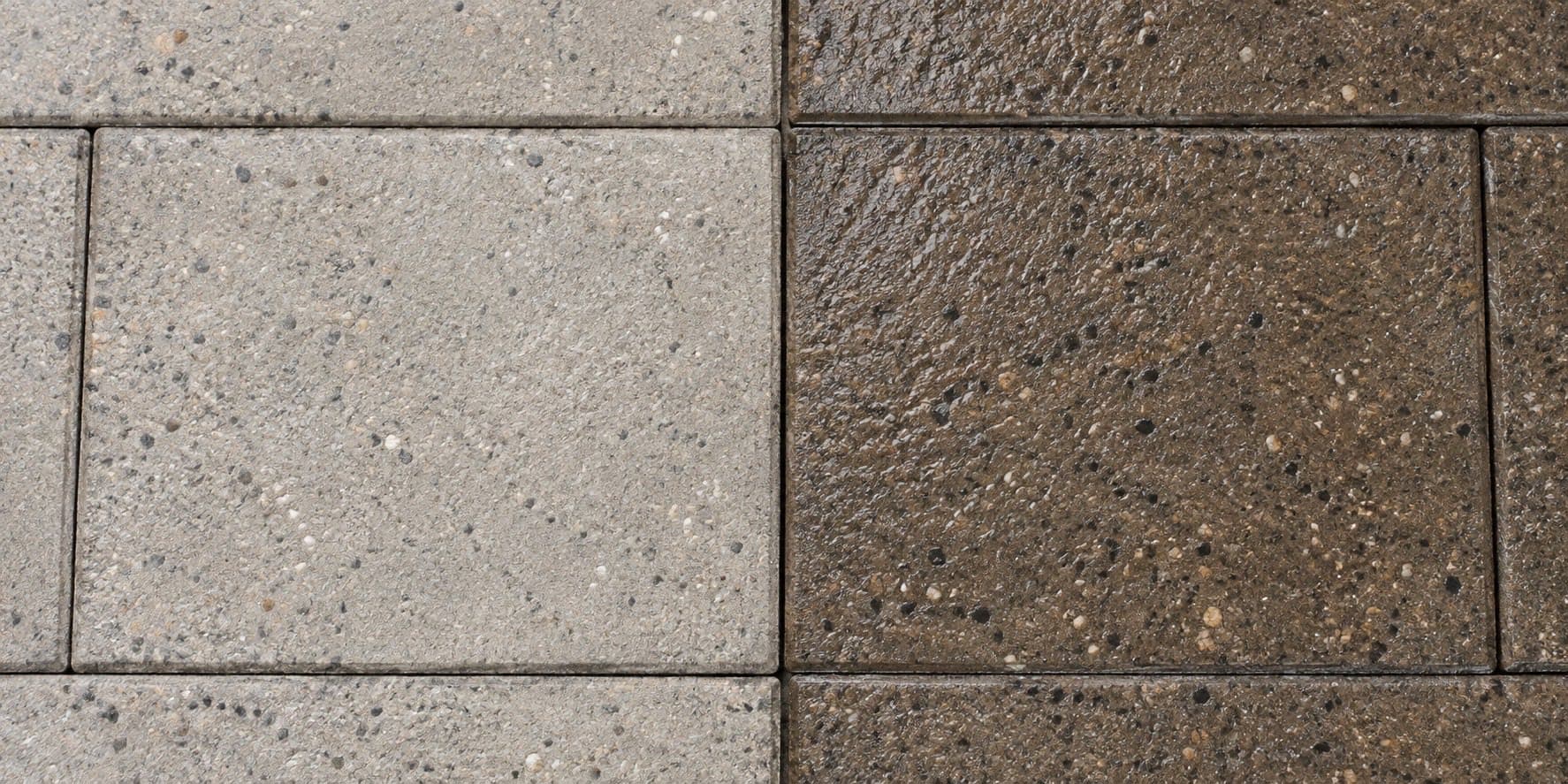 Choosing a product
Choosing the finish is the one sealing decision you cannot undo without stripping the layer. See what separates the two, how to test them, and when to choose which.
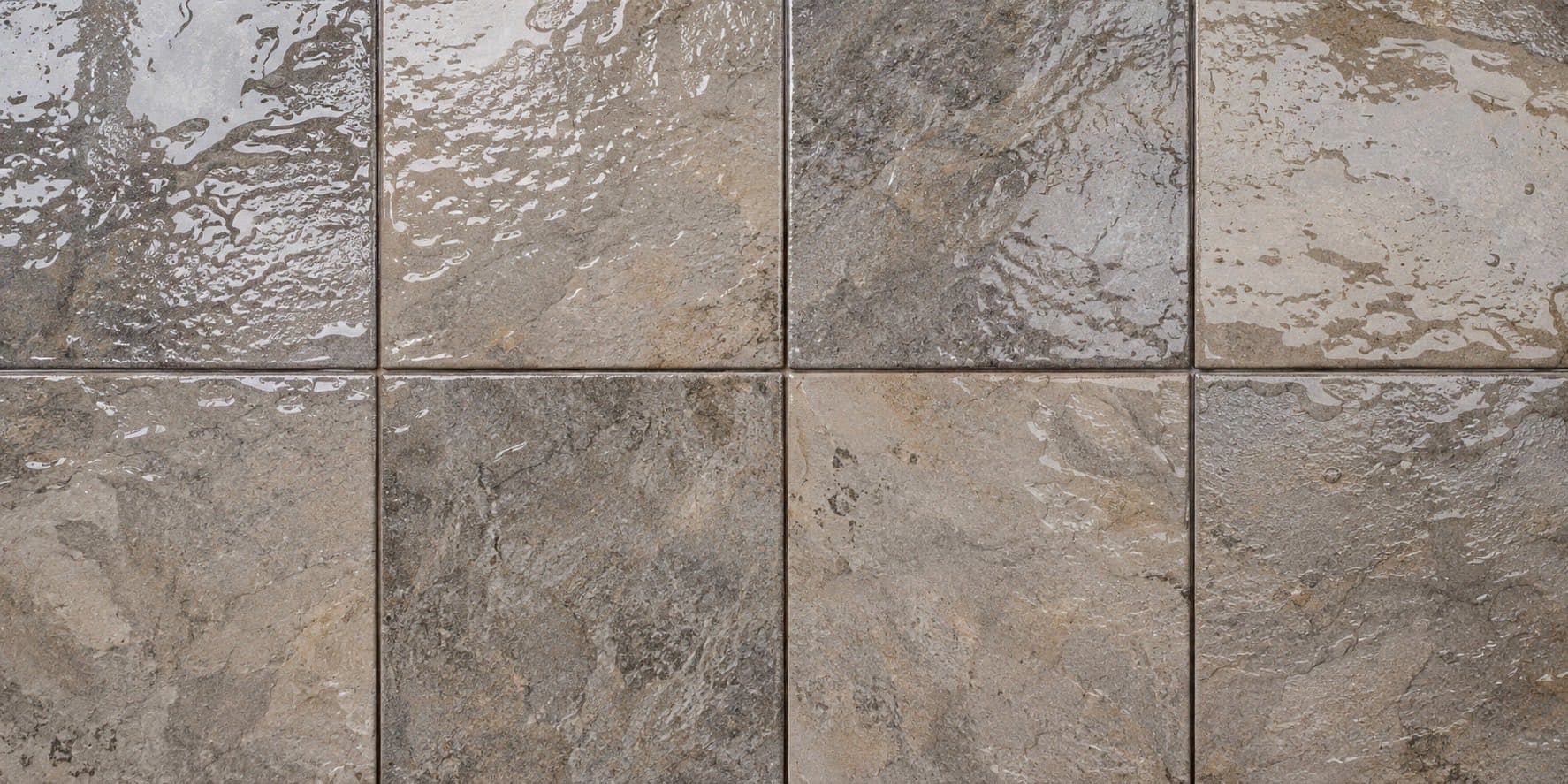 Stain removal
Slipperiness usually has one of three causes, and each has a different answer. Work out which one you have before reaching for a preparation.
Granite is one stone but two substrates. Polishing closes the pores and flaming opens them, so the same block worked two ways will take a different amount of product. You can tell them apart by touch and water: on polished granite a drop sits for a long time, while a flamed surface is rough and draws water in faster. We go into this in the guide how to choose a natural stone sealer, and you will find the other stones in the Natural stone section.
HG-1 is a water-based, single-component siloxane sealer. You apply it once, in one thicker coat of about 1 mm, and after 60 minutes you take up the excess with a soft, absorbent cloth. A litre covers about 5-11 m², depending on how absorbent the stone is. HG-2 goes on the same way and gives a wet-stone look. Rough granite that also has to resist oil is best protected with EH-20.
SG-1 and SG-2 are high-penetration solvent-based sealers. You apply one coat with a soft roller and polish straight away - a litre covers about 20 m². After 8 hours, footprints and smears can no longer be removed, and for 72 hours you keep off the surface and ventilate. For routine cleaning, use products of pH 5-9 after SG-1 and pH 3-12 after SG-2. For a worktop without solvents choose ProtectGuard MG Eco, and for cladding exposed to graffiti, ProtectGuard MG.
Slippery granite tiles can be improved with R-9G - the effect lasts 6-24 months, so it is a periodic treatment. We cover slippery surfaces in the guide slippery paving, terraces and tiles.
Using a sealer for absorbent stone on a polished surface. HG-1 or EH-20 have nowhere to soak into polished granite. Polished stone takes SG-1, SG-2 and ProtectGuard MG and MG Eco - and if you are not sure what finish your stone has, start with the water-drop test.
HG-1 if the stone is to keep its colour, or HG-2 if you want a wet-stone look. Both are applied once, in one thicker coat of about 1 mm. For 24 hours after sealing, do not walk on the surface, wash it or put anything on it.
SG-1 for an invisible finish or SG-2 for a wet look - solvent-based, applied in one coat with a soft roller and polished. ProtectGuard MG Eco works without solvents, and ProtectGuard MG adds protection against graffiti.
SG-1 works well on a worktop but needs 72 hours of ventilation, which can be awkward in a kitchen. In that case choose ProtectGuard MG Eco: water-based, solvent-free and with the manufacturer's food-contact certificate. Check first that the worktop has not been waxed - the sealer will not get through wax.
A penetrating sealer forms no film and does not change grip. If your granite tiles are already slippery, reach for R-9G - it reduces the slipperiness of granite and gneiss tiles whatever their finish. On polished stone, start with a test on a small area.
By touch and water. A polished surface is smooth and a drop sits on it for a long time. A flamed one is rough and draws water in faster - the same test tells you how much product the stone will drink.