 Standard
Solvent-based water-repellent sealer for block paving EH-14 EKSIL
56,99 zł
33,30 zł/L
Water sinks into the surface, stains stay, and the colour dries unevenly after rain. A water-repellent sealer reduces that uptake without closing the pores, so paving, concrete and stone absorb less and are easier to keep clean.
StandardSolvent-based water-repellent sealer for block paving EH-14 EKSIL
56,99 zł
33,30 zł/L
 Entry
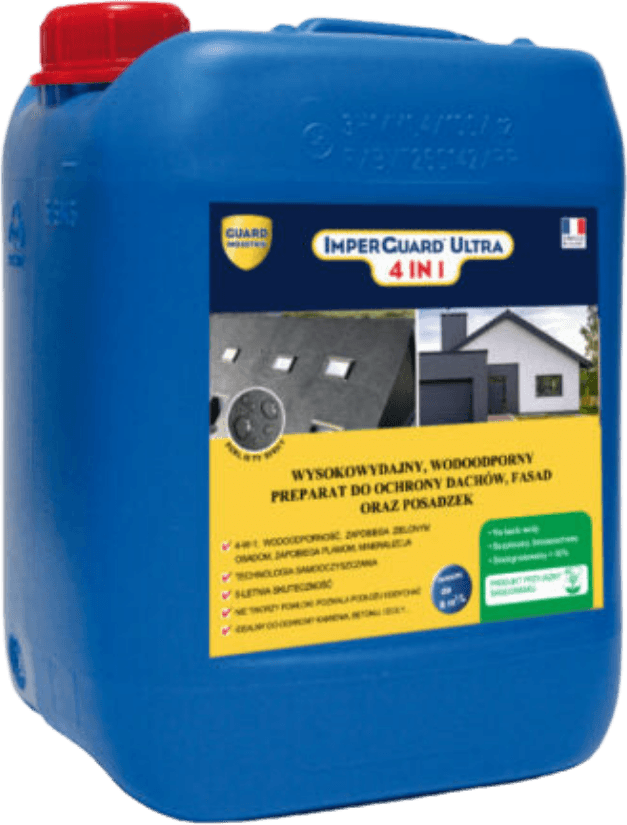
Water-repellent sealer for facades, roofs and paving - ImperGuard Ultra 4 in 1
269,00 zł
53,80 zł/L≈ 6,73 zł/m²
 Standard
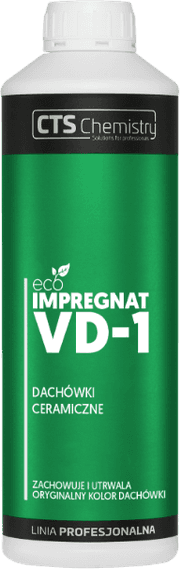
Clay and concrete roof tile sealer VD-1 CTS Chemistry
45,51 zł
39,36 zł/L
 Standard
Split-face concrete block sealer VBe-1 CTS Chemistry
42,71 zł
30,00 zł/L≈ 3,75 zł/m²
 Standard
Concrete wall sealer, wet look VB-2 CTS Chemistry
45,01 zł
35,90 zł/L
 Standard
Concrete wall sealer, invisible finish VB-1 CTS Chemistry
31,89 zł
25,80 zł/L
 Premium
Solvent-based block paving sealer, wet look SK-2 CTS Chemistry
60,27 zł
54,12 zł/L≈ 7,22 zł/m²
 Standard
Block paving sealer, wet look HK-2 CTS Chemistry
43,70 zł
36,00 zł/L
 Standard
Block paving sealer, invisible finish HK-1 CTS Chemistry
31,89 zł
25,80 zł/L
 Standard
Concrete patio slab sealer, wet look HBP-2 CTS Chemistry
50,29 zł
45,76 zł/L
 Standard
Concrete patio slab sealer, invisible finish HBP-1 CTS Chemistry
48,50 zł
38,60 zł/L
 Premium
Solvent-based sealer for concrete fencing EI-13 EKSIL
232,47 zł
46,14 zł/L≈ 5,43 zł/m²
 Premium
Block paving sealer, strong wet look EI-15 EKSIL
97,19 zł
61,25 zł/L≈ 6,81 zł/m²
 Premium
Solvent-based sealer for concrete and floors EH-18 EKSIL
239,00 zł
39,30 zł/L≈ 7,15 zł/m²
 Premium
Solvent-based colour sealer for block paving EI-26 EKSIL
269,00 zł
53,80 zł/L≈ 5,98 zł/m²
 Standard
Water-based sealer for concrete and precast units EH-17 EKSIL
84,00 zł
21,45 zł/L
 Standard
Water- and oil-repellent sealer for concrete and brick EH-20 EKSIL
149,99 zł
30,00 zł/L≈ 3,75 zł/m²
 Entry
Block paving sealer, wet look EI-23 EKSIL
109,47 zł
26,45 zł/L≈ 3,78 zł/m²
 Entry
Colour sealer for block paving and concrete EI-19 EKSIL
104,00 zł
20,80 zł/L≈ 4,16 zł/m²
 Premium
Invisible anti-graffiti sealer for stone and concrete - ProtectGuard
110,00 zł
99,80 zł/L≈ 16,63 zł/m²
 Standard
Sandstone wall and facade sealer VP-1 CTS Chemistry
45,40 zł
36,18 zł/L
 Standard
Brick and engineering brick sealer VC-1 CTS Chemistry
42,50 zł
33,90 zł/L
 Standard
Sandstone sealer, invisible finish HP-1 CTS Chemistry
42,80 zł
33,94 zł/L
 Standard
Flamed granite sealer, wet look HG-2 CTS Chemistry
47,90 zł
38,40 zł/L
 Standard
Flamed granite sealer, invisible finish HG-1 CTS Chemistry
42,80 zł
36,16 zł/L≈ 4,52 zł/m²
 Premium
Water-based sealer for natural stone and facades EH-21 EKSIL
109,00 zł
32,50 zł/L
 Standard
Decorative glitter sealer, clear EI-12 EKSIL
121,77 zł
46,49 zł/L≈ 9,30 zł/m²
 Standard
Silane facade sealer that deepens colour EH-16 EKSIL
145,00 zł
25,75 zł/L
 Standard
Natural stone sealer, wet look EI-10 EKSIL
73,00 zł
28,45 zł/L
 Premium
Wet-look stone sealer, semi-gloss - ProtectGuard WL
159,00 zł
145,80 zł/L≈ 14,58 zł/m²
 Premium
Wet-look stone sealer, matt - ProtectGuard WL Mat
159,00 zł
145,80 zł/L≈ 14,58 zł/m²
An absorbent surface takes in water along with whatever the water carries. That is why it darkens unevenly after rain and why stains go deeper and are harder to shift.
A water-repellent sealer reduces that absorption without closing the pores. Water and dirt no longer get into paving, concrete or stone as easily, and routine cleaning takes less time. You choose a clear finish that keeps the natural look or a wet-look finish that deepens the colour.
Apply it to a clean, dry, fully cured surface. If there is efflorescence or staining, remove it first, because a sealer locks in whatever it finds. Sealing is periodic maintenance that you repeat from time to time.
No. A water-repellent sealer reduces water uptake without closing the pores. The clear version keeps the paving's natural look, and the wet-look finish deepens its colour.
No. A sealer does not remove existing dirt, it locks it in. Wash off stains, efflorescence and green growth with the right cleaner first, and seal a clean, dry surface.
Sealing is periodic, and how often depends on the product, the surface and the traffic it carries. Check the renewal guidance in the sealer's technical data before you buy.
Yes, if a car stands there. Rain matters less under a roof, but oil, grease and tyre marks remain, and a sealer limits how far they soak in.